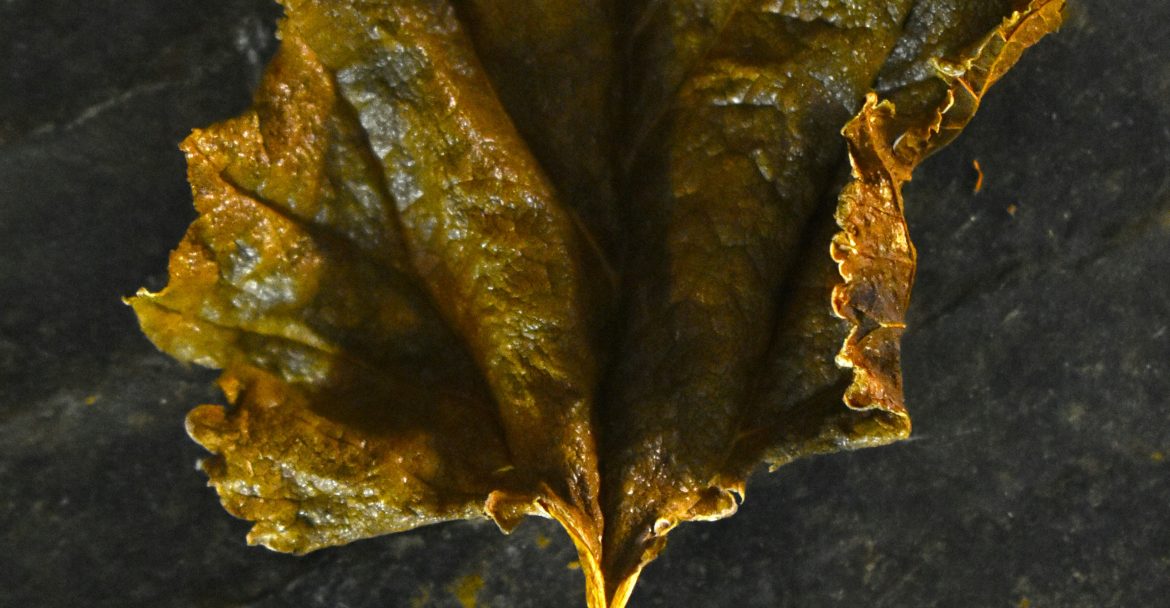
Technical Overview: The Mechanism of Autumnal Foliage Senescence
As daylight hours diminish and temperatures decline, deciduous trees undergo a physiological transition into winter dormancy. This process involves the systematic reclamation of nutrients and the revelation of varied pigment profiles within the leaf structure.
I. Pigment Dynamics and Chemical Transition
The transition from summer green to autumn brilliance is driven by three primary pigment categories:
II. The Abscission Process
To prepare for freezing temperatures, trees must shed their leaves to conserve water and energy.
-
Nutrient Recovery: The tree reabsorbs valuable phosphorus and nitrogen from the leaves before they drop.
-
Abscission Layer: A specialized layer of cells forms at the base of the leaf stem (petiole). This layer eventually severs the connection between the leaf and the branch.
-
Sugar Trapping: As this layer forms, sugars become trapped in the leaf, providing the chemical fuel needed to synthesize vibrant red anthocyanins.
III. Environmental Catalysts for Peak Coloration
The intensity of a “foliage season” is determined by specific meteorological conditions that maximize sugar concentration:
-
Bright, Sunny Days: Stimulates the production of excess sugars, which directly enhances red pigmentation.
-
Cool, Frost-Free Nights: Slows the movement of sugars out of the leaf and accelerates the degradation of remaining chlorophyll.
-
Dry Conditions: Increases the concentration of sap within the leaf, further deepening the color intensity.
Summary: The autumn display is not merely a cosmetic change, but a sophisticated survival strategy that allows trees to reclaim energy and protect their biological integrity during the winter months.