Phellinus pomades (Cushion fungus)
Principle species colonised Many broad-leaved trees, typically on rosaceous species, especially cherry (e.g., Prunus cerasifera, P. domestica, and P. spinosa). Area affected Main stem and branches; frequently connected to pruning injuries. Type of decay. A White-rot Fruit body / fungal structures A flat layer on the bark or a hoof-shaped, hard, woody bracket (resupinate). Occasionally, […]

Phaeolus schweinitzii
Principle species colonised Coniferous trees, particularly cedar, pine, Douglas fir, spruce, and larch; sometimes on yew and certain broadleaves. Area affected Usually, colonisation begins in the root system after honey fungus. Pruning and other wounds above ground can also lead to colonisation. Type of decay. A common brown rot that, when it develops through the […]

Hererobasidion annosum
Principle species colonised Many varieties of broadleaves and conifers Area affected Initially in roots, which are colonised and sometimes killed by parasitic action. The fungus then spreads up into the stem; more in some host species than others. Type of decay. A stringy-textured white pocket rot with selective delignification, which causes delamination and rigidity loss […]

Pholiota squarrosa (Shaggy Pholiota)
Principle species colonised A number of Broadleaves. Area affected Butresses and Roots Type of decay. severe white-rot that causes significant hollowing, but there is also some indication of stringy white-rot (selected delignification in the early stages). Fruit body / fungal structures The fleshy, annual toadstools are yellowish when young and turn dark brown as they […]
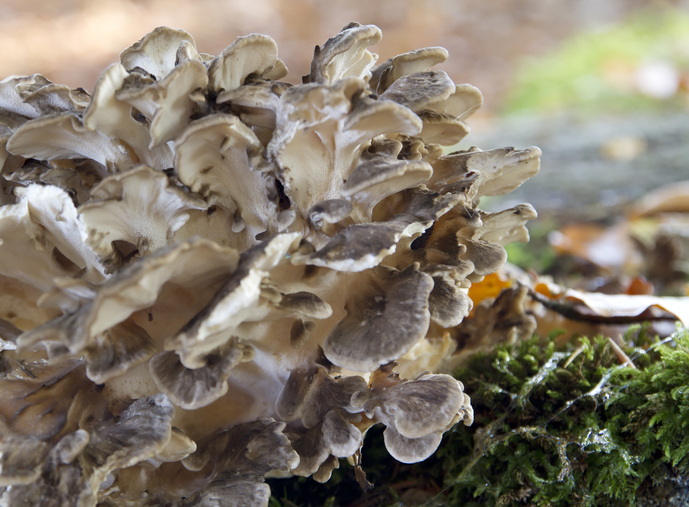
Trifold frondosa (Hen of the woods)
Principle species colonised In the UK, usually restricted to oak and, less frequently, hornbeam Area affected Stem Base or Central root-plate. Type of decay Primarily a white-rot. Fruit body / fungal structures A mass made up of fan-like, overlapping, convoluted, and frequently splitting fronds, typically up to 300 mm across (but sometimes much larger). These […]
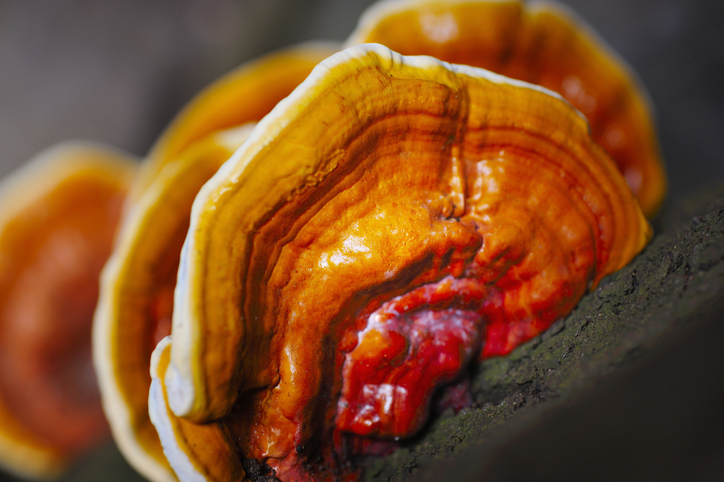
Ganoderma Lucidum
Principle species colonised Mostly Oak, but has been known to affect other Broadleaved trees. Area affected Butress and root Type of decay Though poorly documented, this process is believed to involve selective delignification, leaving only a mass of white mycelium. Fruit body / fungal structures An annual kidney-shaped bracket that is typically carried on a […]
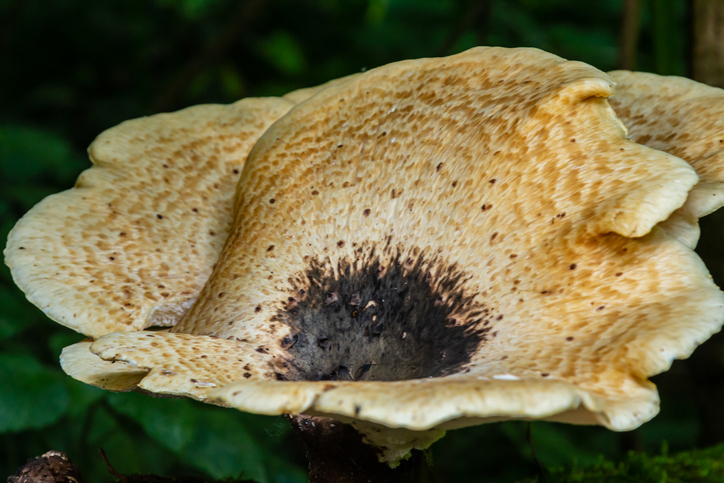
Polyporus squamosus (Saddle fungus, Scaly polypore, Dryad’s saddle)
Principle species colonised Mainly broadleaved trees including Horse Chestnut, Lime, Beech and Sycamore Area affected Principal branches and the main stream Type of decay White-rot of ripe or sapwood Fruit body / fungal structures A fan-shaped bracket with a short stem that is soft and squishy. A layer of dark brown scales covers the light […]
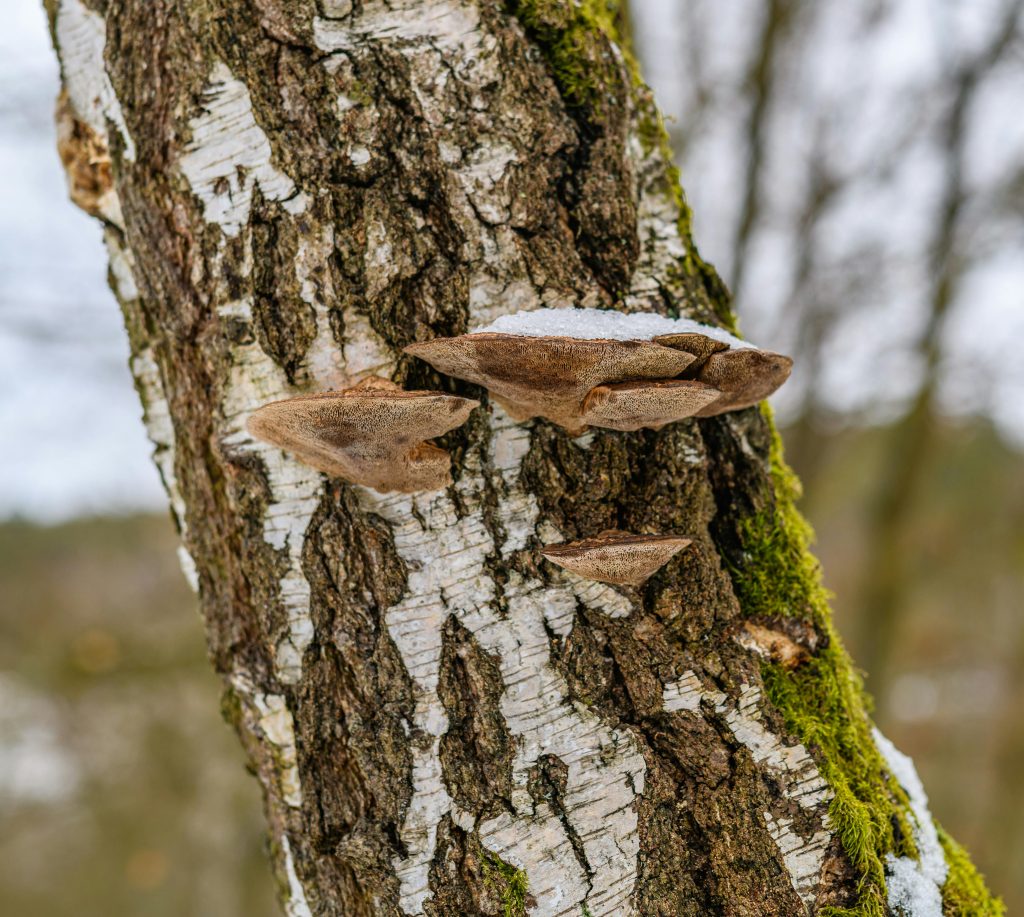
Piptoporus botulinus (Birch polypore, Razor strop fungus)
Principle species colonised Birch Area affected principal branches or main stem. frequently linked to injuries or dieback brought on by other circumstances; when the fungus is dormant in the wood, this can induce it to grow. Type of decay Brown-rot Fruit body / fungal structures A bracket with a white pore-bearing surface underneath that is […]
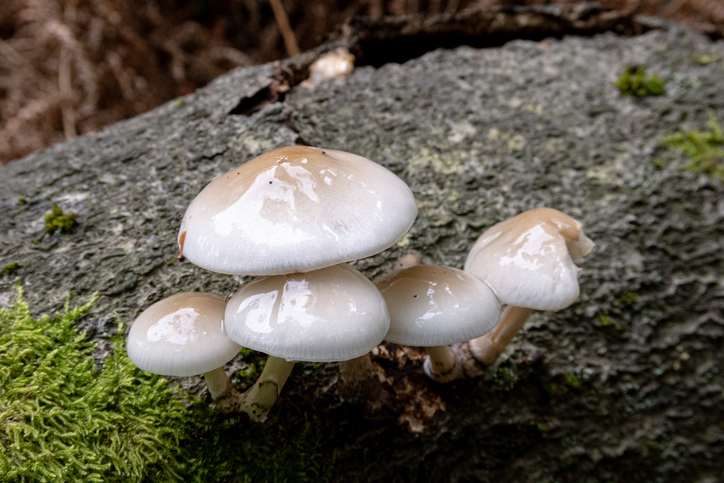
Oudemansiella mucida (Porcelain fungus, Poached egg fungus)
Principle species colonised Typically found on beech. Area affected The top parts of the stem or principal branches are frequently colonised. Type of decay Early on, there is a “soft-rot” that is followed by a gradual breakdown of lignin and cellulose. Fruit body / fungal structures A translucent white toadstool with a clear collar ring […]

Pseudotrametes gibbosa (The stump grinder)
Principle species colonised Typically on broadleaved trees, particularly horse chestnut, sycamore, and beech. Area affected Can be found all across the framework of a tree. Type of decay White rot. Fruit body / fungal structures A creamy-white, rubbery fan-shaped bracket that is frequently quickly coated in algae. Pores might merge into a labyrinth or become […]
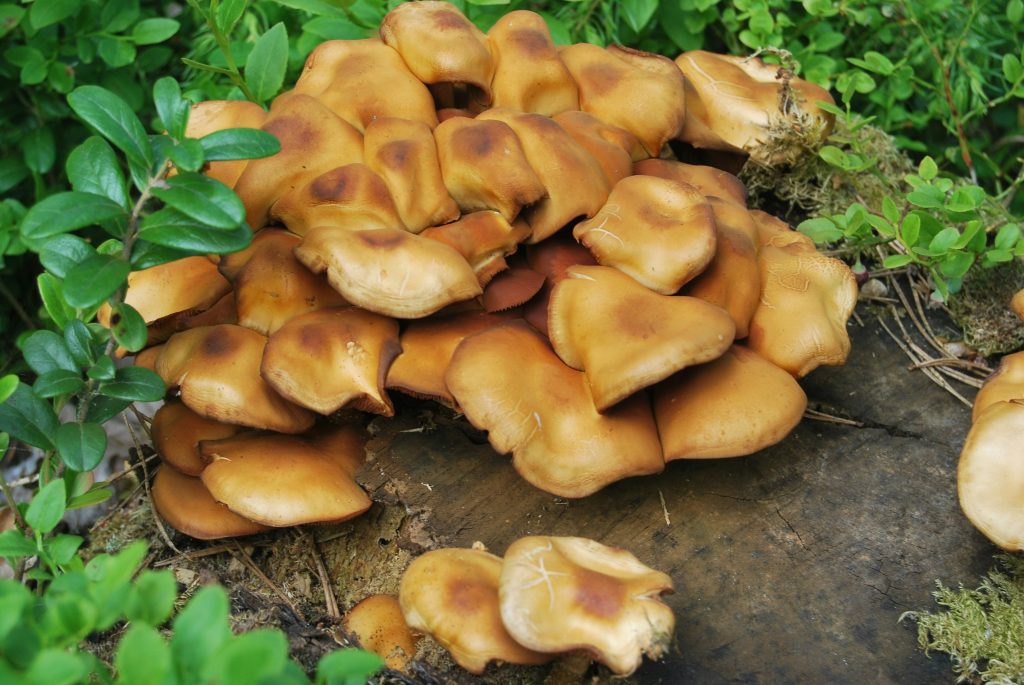
Meripilus giganteus (Giant polypore)
Principle species colonised In the UK, it mostly occurs on beech trees, but it also sometimes occurs on other broadleaved trees and infrequently on conifers. Area affected The fungus mostly damages the underside of the tree’s primary root structure. Type of decay White rot is caused by Meripilus, however there is an initial “soft-rot” phase. […]

Ganoderma resinaceum
Principle species colonised Occasionally on other broadleaved trees, although not widely documented. Area affected The buttress and roots are impacted. Type of decay Though little documented, it is believed to involve selective delignification followed by more severe deterioration, resulting in a brittle, dry, or pasty nature. Fruit body / fungal structures An annual fruit body […]
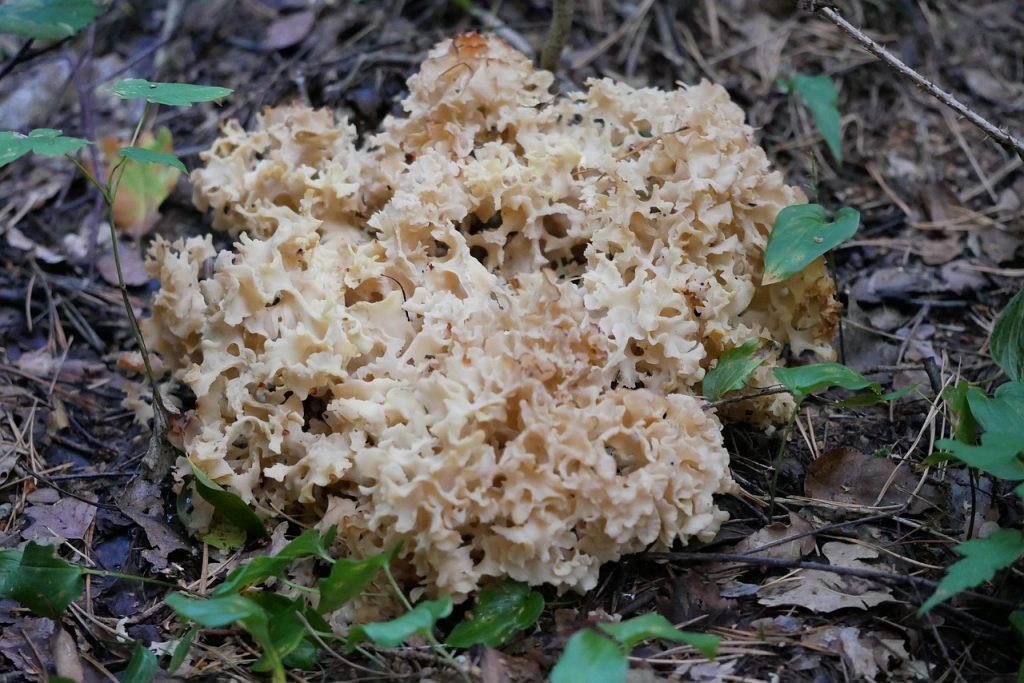
Sparassis crispa (Cauliflower fungus)
Principle species colonised Restricted to conifers; frequently found on pine, but also on spruce, larch, Douglas fir, and true firs. Area affected Usually in the roots, although it can reach up to three meters on the main stem. Type of decay Brown-rot, usually limited to the heartwood and characterised by cubical cracking; in later stages, […]
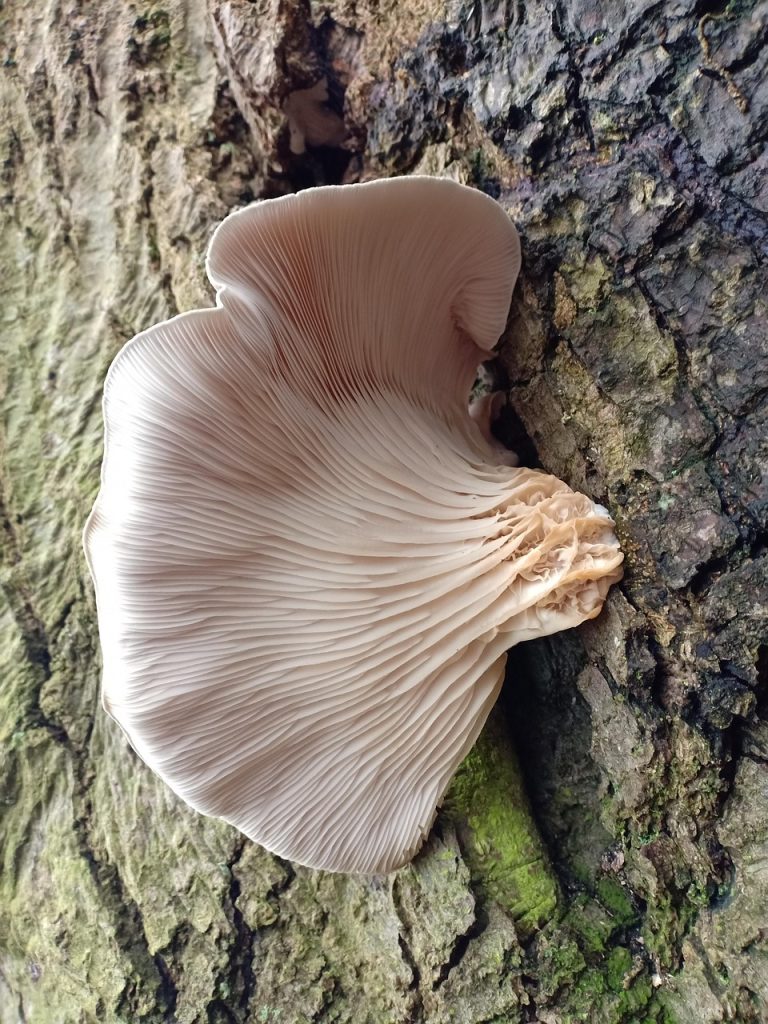
Pleurotus ostreatus (Oyster fungus)
Principle species colonised A Large variation of broadleaved species. Area affected After being exposed by wounding, the main stem and primary branches are typically restricted to sapwood or ripewood columns. Type of decay Early wood first experienced delignification, which was followed by severe white rot. Fruit body / fungal structures A fleshy, squishy bracket that […]
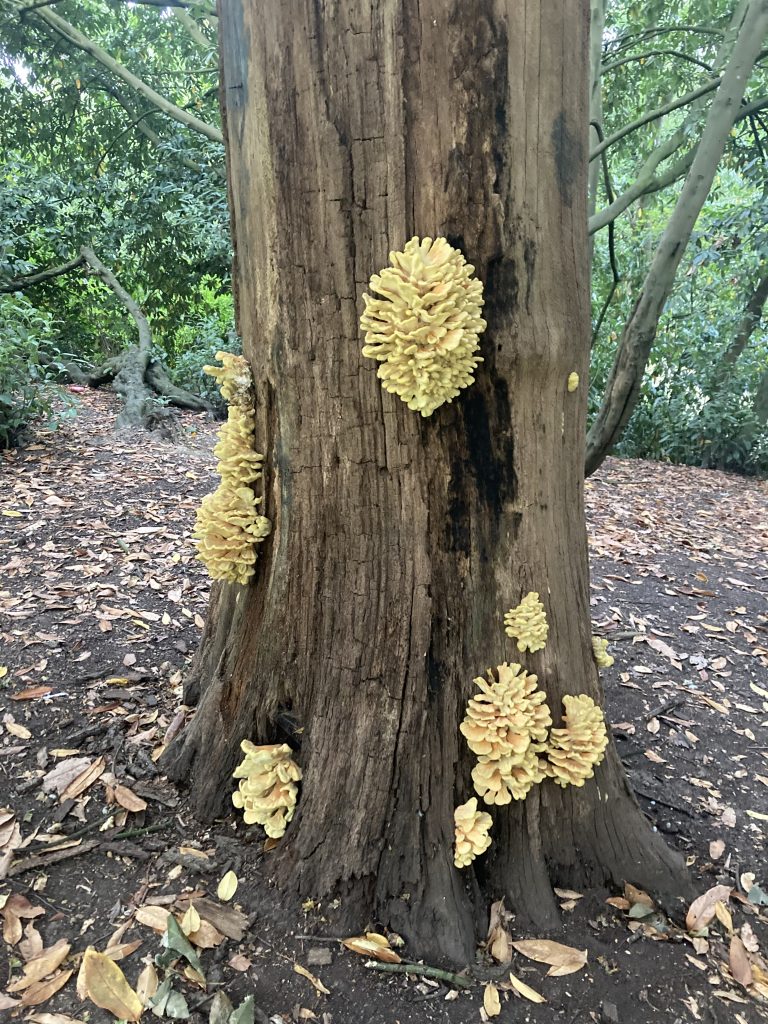
Laetiporus sulphureus (Chicken of the woods, Sulphur fungus)
Principle species colonised A variety of conifers, such as yew, and broadleaves, especially oak, sweet chestnut, and cherry. Area affected The main stem, buttresses, and principal roots are all impacted. located on the main branch network as well. Type of decay Both early and late wood have cellulose-rich regions where decay is concentrated. Typical brown […]
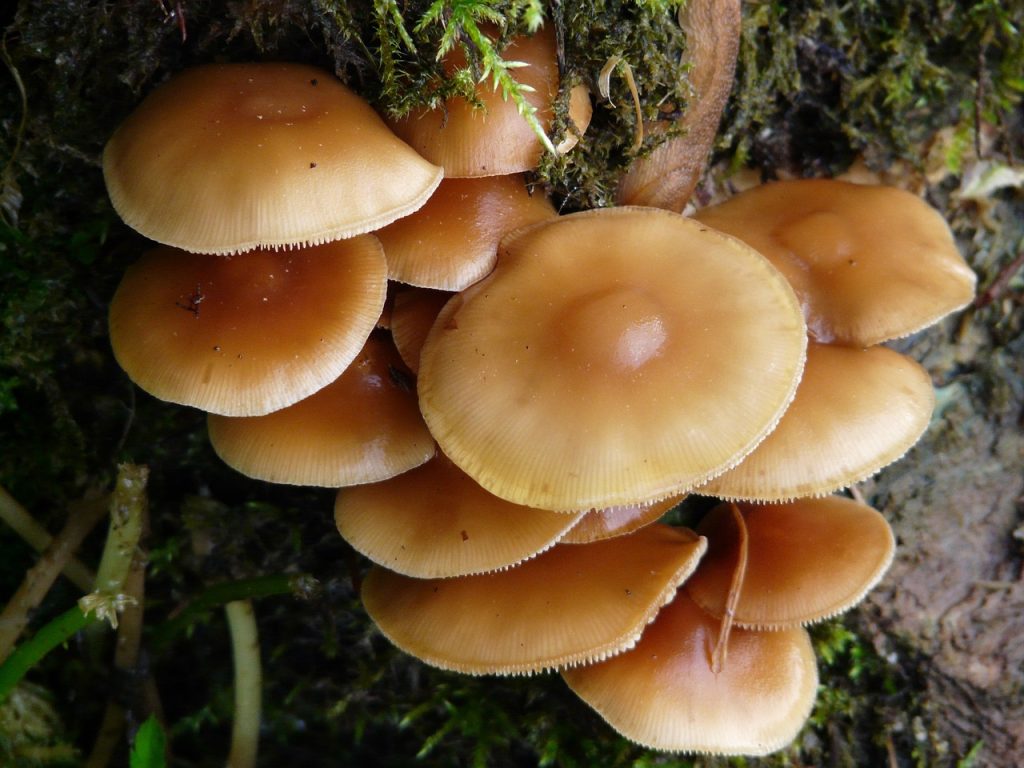
Collybia fusipes (Spindle shank, Spindle tough shank)
Principle species colonised Mostly English oak, Pedunculate and Sessile. Area affected Roots; Its possible to extend above ground level. Type of decay Dry and hard at first, the decay eventually turns into a usually moist white rot that frequently has black zone lines visible. Fruit body / fungal structures With the exception of midwinter, toadstools […]
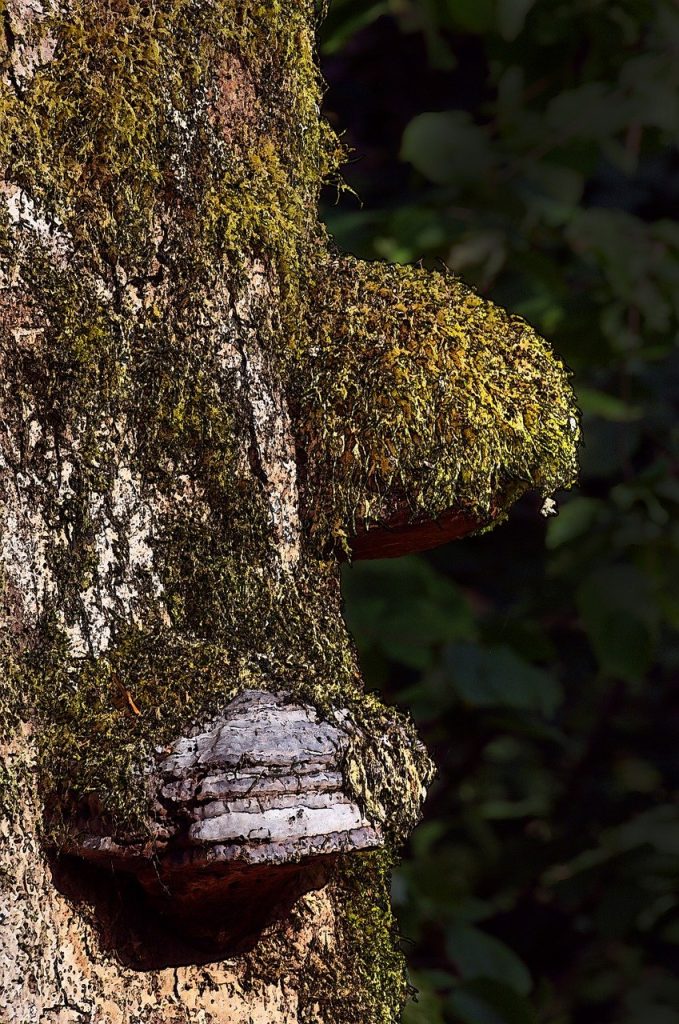
Fomes Fomentarius (Hoof fungus, Tinderbox fungus, Tinder fungus)
Principle species colonised The primary species that was colonised large variety of broadleaved and coniferous trees. Area affected Found mostly on birch in northern Britain, but mostly on beech in southern Britain. Other broadleaves may be impacted. Affected area mostly in big branches and stems. Type of decay Simultaneous white rot that breaks down lignin […]
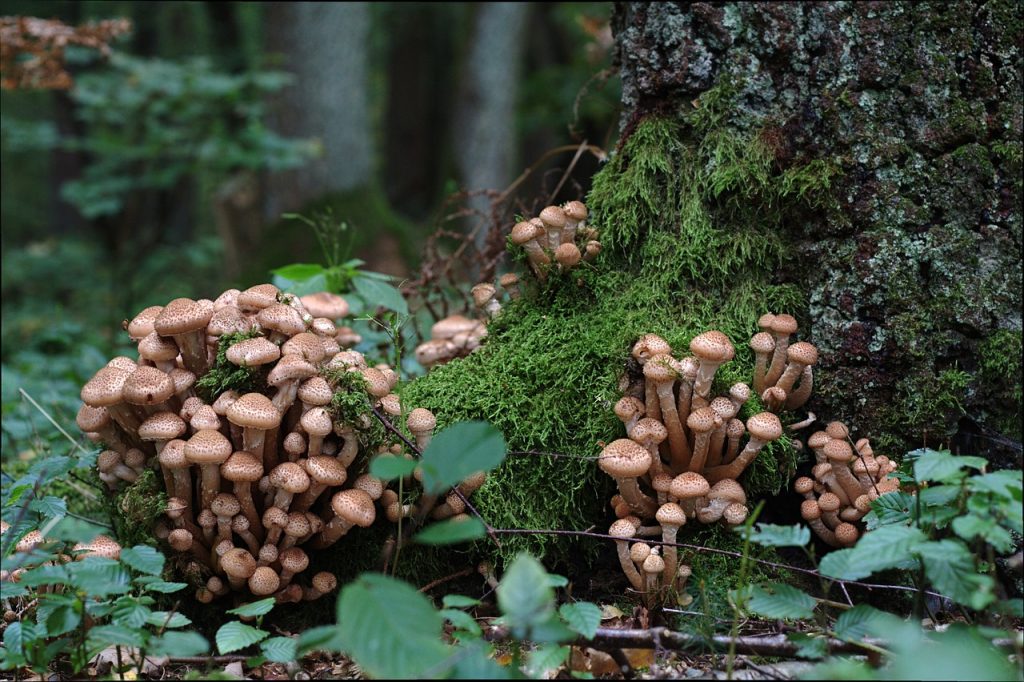
Armillaria mellea (Honey fungus, Bootlace fungus)
Listen Principle species colonised The primary species that was colonised large variety of broadleaved and coni ferous trees. Area affected The root system and lower stem, which are often less than 500 mm above the ground. Type of decay Dry and hard at first, the decay eventually turns into a usually moist white rot that […]