Principle species colonised
Mainly broadleaved trees including Horse Chestnut, Lime, Beech and Sycamore
Area affected
Principal branches and the main stream
Type of decay
White-rot of ripe or sapwood
Fruit body / fungal structures
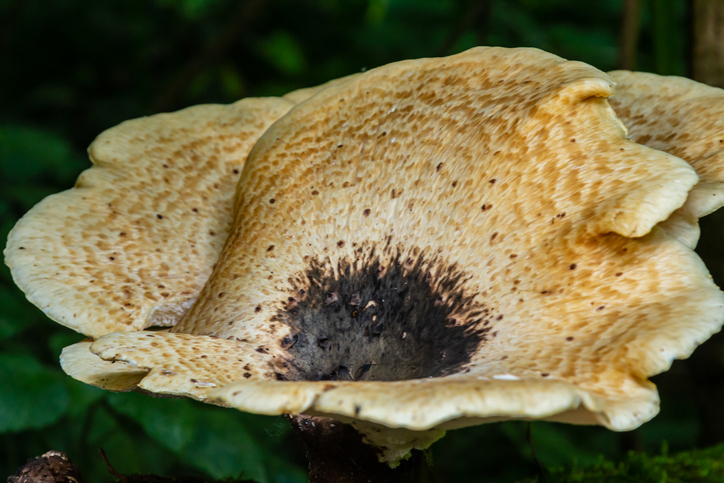
A fan-shaped bracket with a short stem that is soft and squishy. A layer of dark brown scales covers the light brown top surface. The bottom has a creamy white colour.
Seasonality and perseverance Annual: usually in late summer, appearing from April to December, and rapidly decaying.
Significance / Effect / Impact
Decay is frequently limited to a comparatively small area connected to a wound. However, when the fungus has progressed into coalescent zones of defective wood exposed by numerous or severe wounds, extensive deterioration and subsequent stem fracture may result.