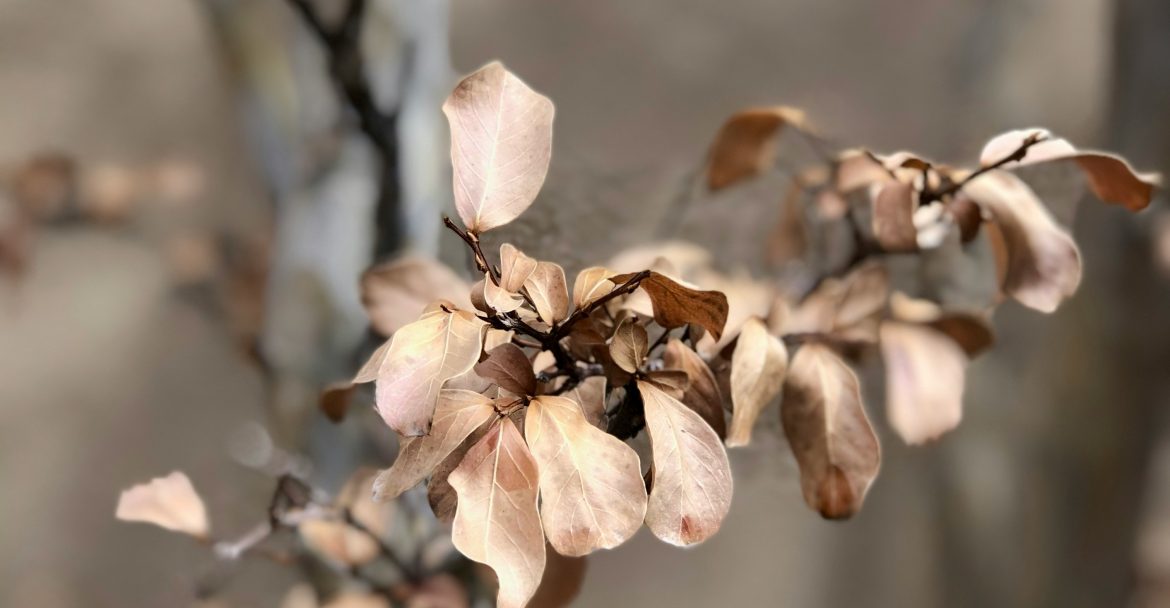
Ecological Brief: “False Autumn”
Executive Summary
“False Autumn” is a physiological stress response in trees triggered by extreme weather conditions during the summer months. Rather than undergoing a natural seasonal shift, trees enter an emergency survival mode, dropping leaves and changing color prematurely due to severe environmental pressures.
Environmental Triggers & Causes
The primary catalysts for this phenomenon include:
-
Extreme Heatwaves: Record-breaking high temperatures that accelerate moisture evaporation.
-
Prolonged Dry Spells: Extended periods without precipitation leading to severe water scarcity.
-
Soil Drought: Sub-surface dryness that severely inhibits the ability of root systems to absorb necessary moisture.
Ecological Indicators & Signs
Key visual and biological markers observed in affected environments:
-
Premature Foliage Shedding: Early leaf drop designed to minimise surface area and halt water loss.
-
Desiccation: Brown, dry, and crispy leaves accumulating on the ground during mid-summer.
-
Accelerated Maturation: Early ripening cycles for berries, fruits, and nuts weeks ahead of the standard schedule.
Species Vulnerability Assessment
Certain tree species demonstrate higher susceptibility to environmental stress:
-
Birch Trees: Characterised by rapid drying rates under high temperatures.
-
Horse Chestnut Trees: Highly prone to early leaf senescence and drop.
-
Fruit Trees (e.g., Apple and Cherry): Struggle significantly with low water availability, impacting overall health and yield.