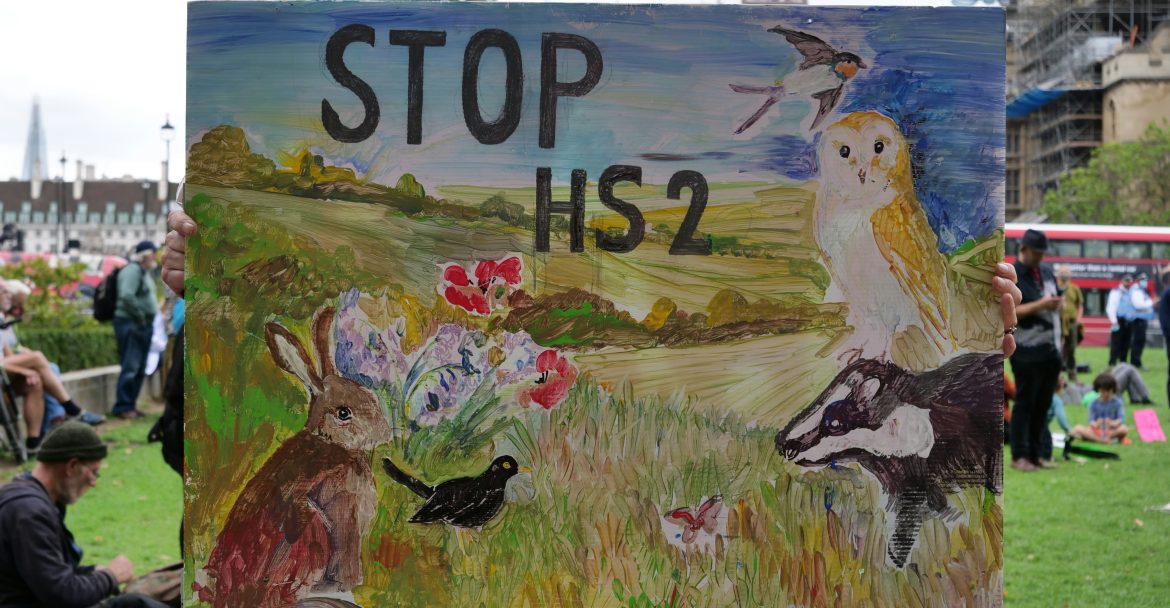
Deep in the heart of south Warwickshire, where rolling pastures meet centuries-old woodland, the landscape bears fresh, raw scars. Among the losses is a fallen giant: the legendary Cubbington Pear Tree. Once named Tree of the Year, a cherished landmark under which generations exchanged wedding vows and shared quiet moments, it was felled in 2020 alongside acres of South Cubbington Wood to clear a path for the HS2 high-speed rail corridor.
Now, inside the historic grounds of Compton Verney, those vanished sentinels find a quiet resurrection.
The Lost Trees, an evolving exhibition by artist Nancy Cadogan, stands as both a eulogy and a living archive for Britain’s fallen arbor. Having premiered at London’s Garden Museum in the summer of 2025, the traveling project has arrived in Warwickshire with heightened local urgency. Featuring roughly 13 vibrant paintings alongside delicate works rendered directly in local earth, the collection captures the profound emotional and ecological void left behind by large-scale infrastructure.
“They have an emotional as well as an environmental impact on the people around them,” Cadogan observes. For this site-specific iteration, Cadogan painted a massive, expanded portrait of the Cubbington Pear the very tree whose demise ignited national outcry and helped anchor the artist’s original vision. “What’s lovely about this show is that it’s all very local, and people can commemorate and talk about the trees they have lost.”
The exhibition weave together stories of lost icons—including Stratford’s famed Shakespeare’s Mulberry Tree with portraits of surviving ancient oaks and chestnuts, some boasting over two centuries of unbroken history in the Warwickshire soil.
As Abigail Viner, Director of Creative Programme and Engagement at Compton Verney, notes, the showcase serves as a vital bridge between human memory and the living landscape: “This poignant project serves as both a memorial and a tribute to trees that have been lost, reflecting on their deep emotional resonance in our lives as well as their vital importance within the natural world.”
Through Cadogan’s canvas and soil-drawn lines, the lost trees of England continue to tell their story reminding us that while a trunk can be severed in minutes, its roots in human memory endure for generations.