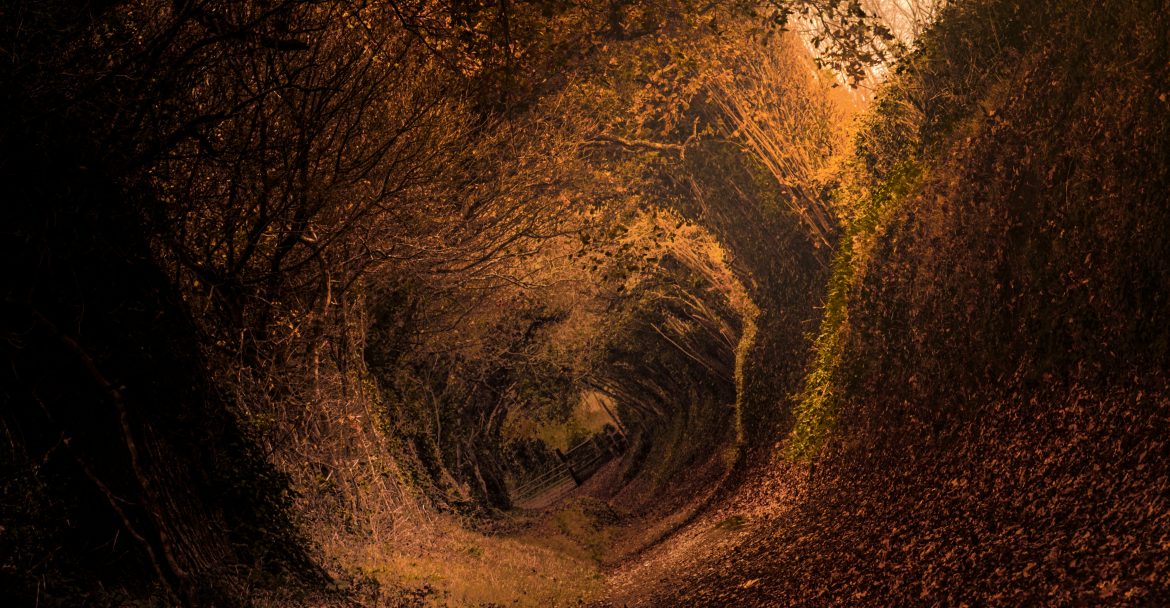
Beneath the gentle canopies of Sussex, a silent, living history is finally stepping out of the shadows.
Through the tireless efforts of a dedicated woodland preservation initiative, a hidden kingdom of ancient trees is being mapped across the English countryside. More than 5,500 ancient, veteran, and notable specimens have now been officially recorded within the Lost Woods project area, marking a major milestone as the Woodland Trust’s Ancient Tree Inventory celebrates two decades of discovery.
“Every ancient tree has a story,” reflects Bob Epsom, outreach adviser for the Lost Woods. Yet, far too many of these remarkable sentinels remain unknown and unrecorded. Reaching this milestone, Epsom notes, is crucial to understanding the incredible living heritage preserved right on our doorstep.
“Mapping is only the first step,” Epsom explains. “We need to make sure that trees are recognised, cared for and protected so that they can continue to support wildlife and communities for generations to come.”
For centuries, these ancient and veteran giants have served as ecological anchors, providing vital habitats for countless species while holding profound cultural and historical significance. Yet, because a vast number remain undocumented, grassroots recording efforts have become an urgent mission for survival. The ambitious inventory relies entirely on an army of passionate volunteers dedicated to identifying and safeguarding the UK’s oldest trees.
Spearheaded by the Lost Woods—a collaborative partnership between Action in Rural Sussex, the Small Woods Association, Sussex Wildlife Trust, and the Woodland Trust—the project works to restore the region’s ancient woodlands, made possible by support from The National Lottery Heritage Fund.
As the mapping continues, these timeless pillars of the Sussex landscape are finally gaining the recognition they need to endure for generations to come.