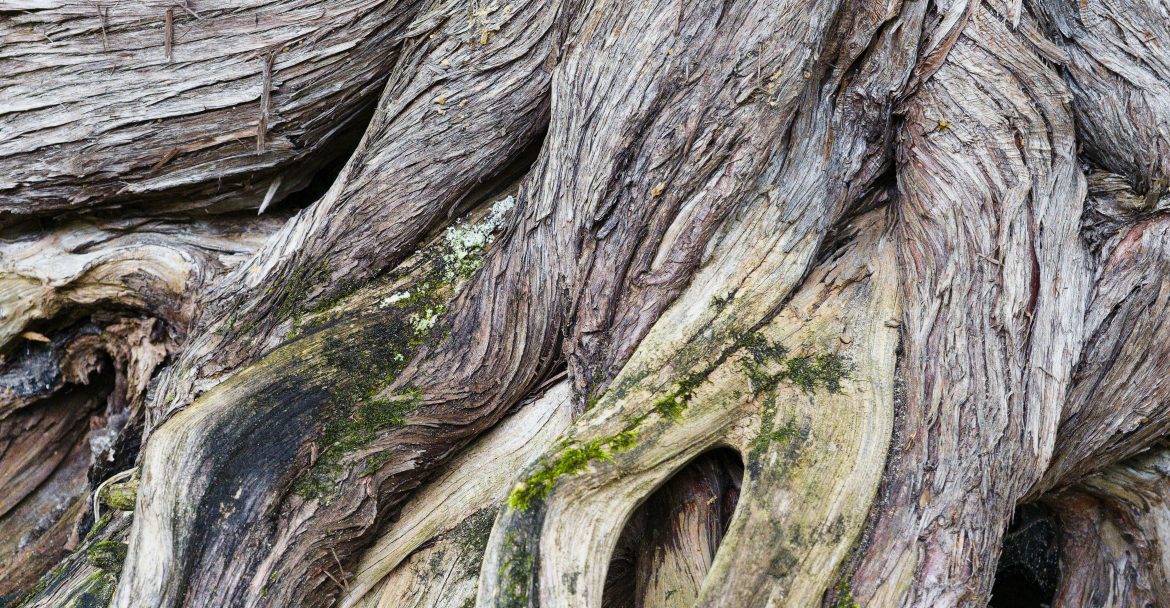
Technical Guide: UK Tree Species with Prominent Surface Root Systems
This document outlines common tree species in the United Kingdom known for developing extensive shallow or surface-level root networks. Understanding these growth patterns is essential for landscape planning, drainage management, and structural safety.
Overview of Species Tendencies
While soil conditions play a primary role, certain species are genetically predisposed to lateral, near-surface root development.
Key Environmental Drivers
Root morphology is not determined by species alone; local environmental factors can force roots upward or prevent deep penetration:
-
Soil Compaction & Oxygen: In heavy or compacted soils, oxygen levels decrease with depth. Roots remain near the surface to access the aerobic zone required for respiration.
-
Waterlogging: High water tables or poor drainage prevent deep root growth. Trees in these conditions develop wide, shallow networks to avoid “drowning” in anaerobic soil.
-
Substrate Composition: Layers of impermeable clay or bedrock close to the surface will physically deflect roots laterally.
Management Considerations
Note: When planting near buildings or infrastructure, always consult British Standard BS 5837:2012 (Trees in relation to design, demolition, and construction).
-
Proximity: Avoid planting Willow or Birch within 10m of drainage systems or light outbuildings.
-
Ground Cover: Expect difficulty growing grass or perennials directly under these species due to moisture competition and physical root obstruction.