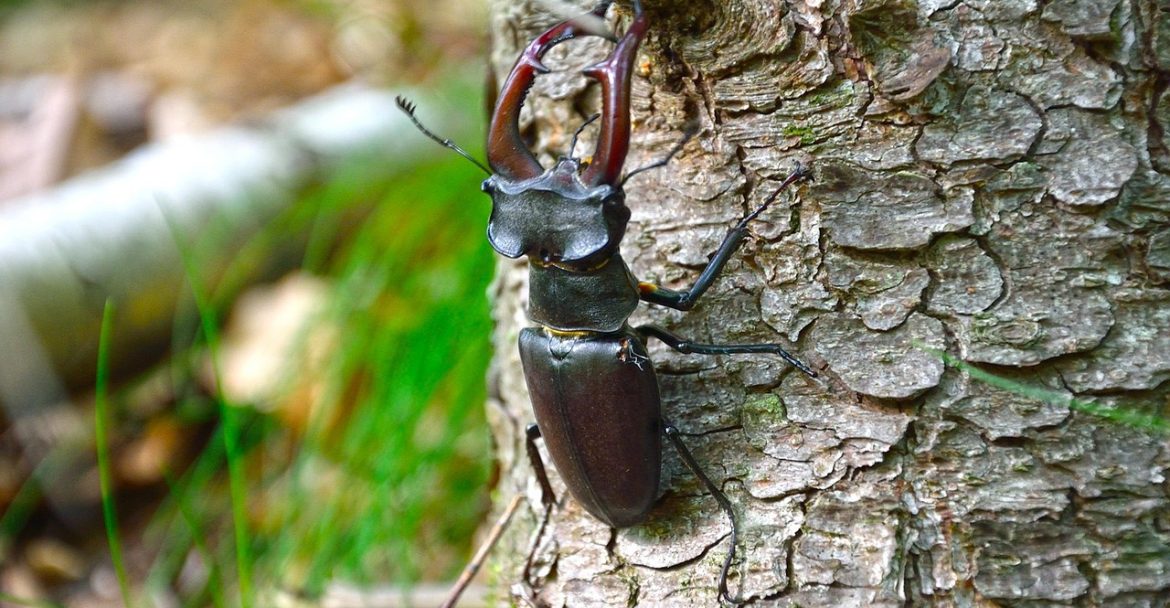
🍃 Ecosystem Components: Insects and Trees
🐛 Insects: Pros & Cons
🌲 Trees: Pros & Cons
👍 Pros of Trees
-
Air Quality: Absorb , release , filter pollutants, and provide crucial cooling in urban areas.
-
Habitat & Food: Provide homes and food (nuts, fruit, leaves) for countless insects, birds, and other wildlife.
-
Soil & Water: Roots prevent erosion, improve soil drainage, and reduce the risk of flooding.
-
Wellbeing: Proven to reduce stress, improve mental health, and mitigate noise pollution.
👎 Cons of Trees
-
Pest Hosts: Can harbor destructive insects (like scale insects) that harm the tree itself or spread to surrounding vegetation.
-
Resource Competition: Large trees can compete for limited water and nutrients with smaller or less established plants nearby.
-
Management Issues: Require maintenance (pruning, cleanup); poor practices (e.g., leaving plastic guards) can harm young trees.
🕸️ The Interconnection: A Symbiotic Relationship
-
Mutual Support: Trees support vast insect biodiversity, which in turn benefits the tree through pollination and natural pest control (e.g., birds consuming leaf-eating pests).
-
Destructive Cycle: Conversely, insects like bark beetles can bore into the cambium layer, leading to the decimation of entire forests, illustrating the destructive side of insect-tree relationships.
-
Overall Value: Generally, the beneficial roles of insects far outweigh the negatives, with trees providing the vital ecological foundation for these interactions to occur.