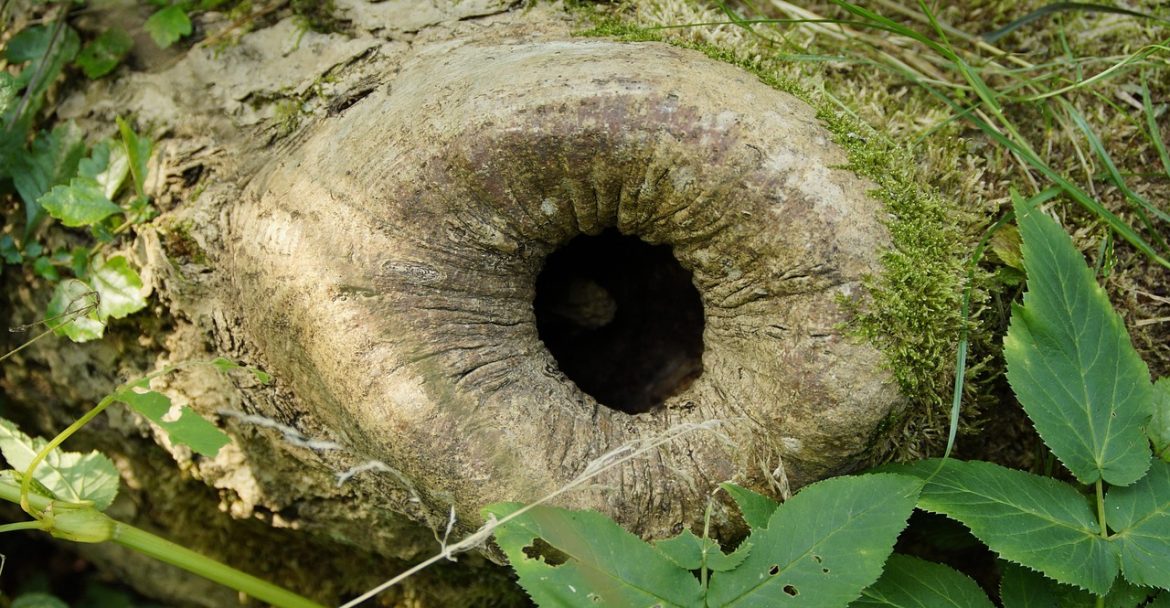
🌳 Tree Cavities: Balancing Ecology and Safety
Tree cavities are a double-edged sword: they are vital wildlife habitats, offering nesting and roosting spots, but also indicate internal decay, potentially weakening the tree and posing a fall hazard, especially near structures. While some trees manage well for decades, large cavities need assessment by a certified arborist for potential cabling or bracing to ensure safety without harming the tree’s natural healing process.
✅ Pros (Ecological Benefits)
-
Wildlife Habitat: Cavities provide essential homes for birds (owls, woodpeckers), bats, squirrels, and insects, offering sites for nesting, roosting, and hibernation, which significantly boosts biodiversity.
-
Natural Process: The presence of cavities is often a sign of a mature, healthy ecosystem, allowing natural decay to recycle essential nutrients back into the soil.
-
Reduced Pest Issues: Animals living in cavities, such as insectivorous birds and bats, can sometimes help control insect populations in the surrounding area.
❌ Cons (Structural & Safety Risks)
-
Structural Weakness: Internal decay compromises the wood strength of the trunk or branches, increasing the risk of branch failure or tree collapse during storms or high winds.
-
Hazard to Property: A falling tree or large branch from a compromised tree can result in significant damage to homes, cars, or other property, or cause serious injury to people.
-
Animal Nuisance: Wildlife residing in cavities might move into attics or basements if the tree is positioned too close to a house, creating unwanted issues for homeowners.