
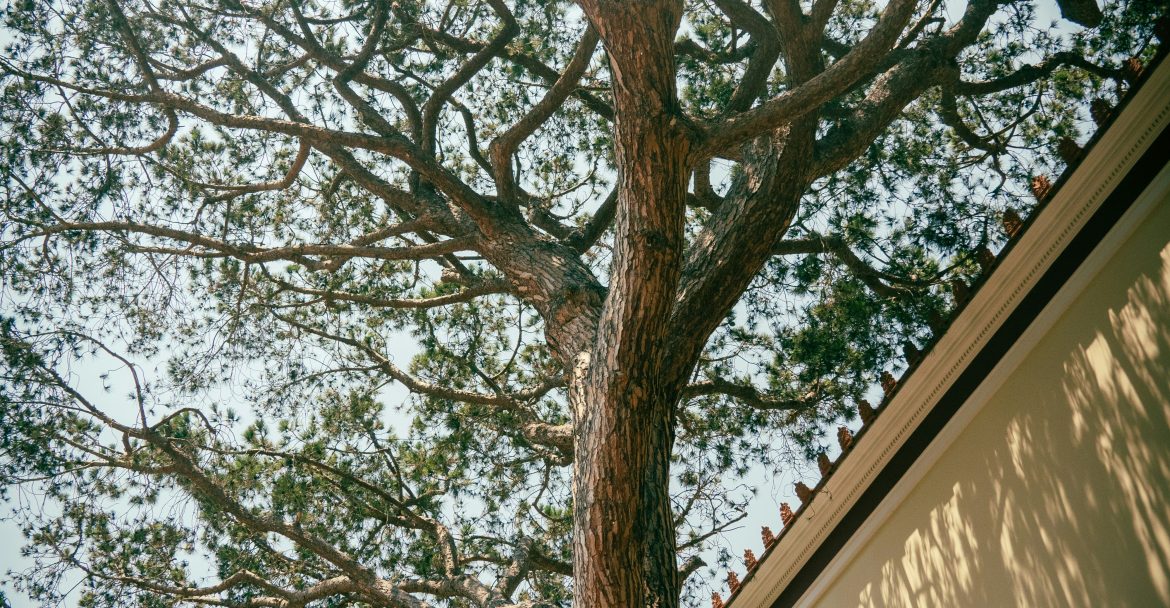
🏑 Tree Planting Distances from Buildings (UK Focus) 🌳

🏑 Tree Planting Distances from Buildings (UK Focus) 🌳

There are no strict legal minimum distances for planting trees near property in the UK, but adhering to recommended guidelines is crucial to prevent expensive damage from root systems, especially on clay soil.


General Guidelines

  • No Legal Minimum Distance: There is no fixed national legal rule, but property owners are responsible for damage caused by their trees (nuisance laws apply). Common sense and risk assessment are key.

  • Soil is Key: Clay soils are high-risk. Trees (especially water-hungry species) can cause soil shrinkage and resultant foundation subsidence by drawing moisture from the ground.

  • Mature Size Matters: Always consider the tree’s mature height and spread, not just its size when planted, when determining placement.


Recommended Distances (Rule of Thumb)

Tree Size Approx. Mature Height Recommended Distance from Buildings
Small Trees tall
Medium Trees – tall
Large Trees tall (e.g., Oak, Ash) –
High Water Demand Trees (Poplar, Willow) Plant significantly further away, especially on clay soil.

Species Risks

Safe Trees (Non-Invasive Roots/Small) Risky Trees (High Water Demand/Extensive Roots)
Cherry Blossom Oak, Ash, Sycamore (Very large, require significant space)
Japanese Maple Poplar, Willow (Extremely high water demand; causes clay shrinkage)
Dwarf Fruit Trees Leylandii (Large, vigorous conifers)

Key Risks & What to Do

Key Risks If You Have Concerns
Subsidence: Soil shrinking/swelling due to tree roots, causing structural cracks in foundations. Check for TPOs: Contact your local council to see if trees are protected by a Tree Preservation Order.
Drain Damage: Roots seeking water can infiltrate and block damaged drains or pipework. Get a Surveyor: Consult an RICS-accredited surveyor or a certified arborist for complex cases or existing subsidence issues.
Physical Damage: Less common; roots pushing foundations or branches falling onto the property. Consider Alternatives: Use wall shrubs or climbing plants instead of large trees close to the structure.