The Wood Wide Web: A Professional Overview of Arboreal Communication
Trees are not solitary organisms; they are part of a sophisticated, interconnected community. Through a combination of underground fungal networks and airborne chemical signaling, forests operate as a functional collective to manage resources and mitigate environmental threats.
Core Communication Mechanisms
The resilience of a forest depends on three primary channels of information and resource exchange:
-
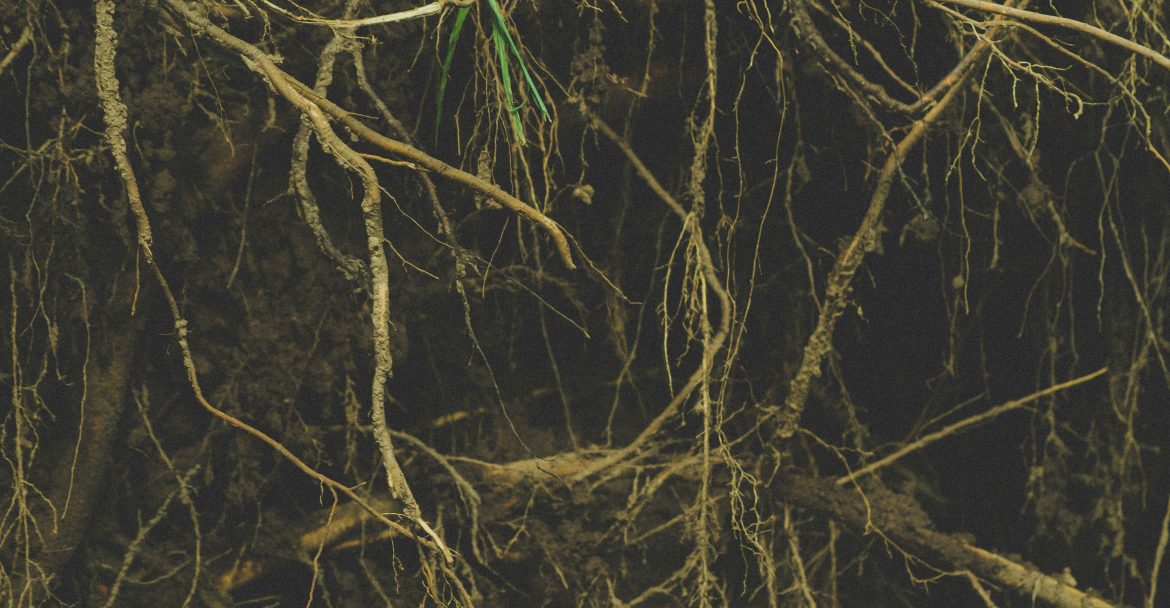
Mycorrhizal Networks (The “Wood Wide Web”): Symbiotic fungal threads, known as mycelia, connect the root systems of different trees. This biological “internet” allows for the direct transfer of carbon, water, and nutrients between individuals.
-
Volatile Organic Compounds (VOCs): When under attack by pests, trees release airborne pheromones (such as ethylene gas). Neighboring trees detect these signals and preemptively bolster their chemical defenses.
-
Root-to-Root Signaling: Beyond fungi, direct root contact facilitates the transmission of slow electrical impulses and chemical markers to convey immediate localized stress.
-
Ultrasonic Vibrations: While still a subject of scientific debate, research indicates that stressed trees emit ultrasonic “popping” sounds (cavitation). While potentially a byproduct of physical stress, these sounds may serve as an additional data point for the surrounding ecosystem.
Key Functional Objectives
Communication within the forest serves several critical ecological purposes:
The Role of “Mother Trees”: These are the oldest, most connected hubs in the network. Their expansive root systems allow them to act as central nodes, nurturing the next generation and maintaining the structural and informational integrity of the forest.