Description
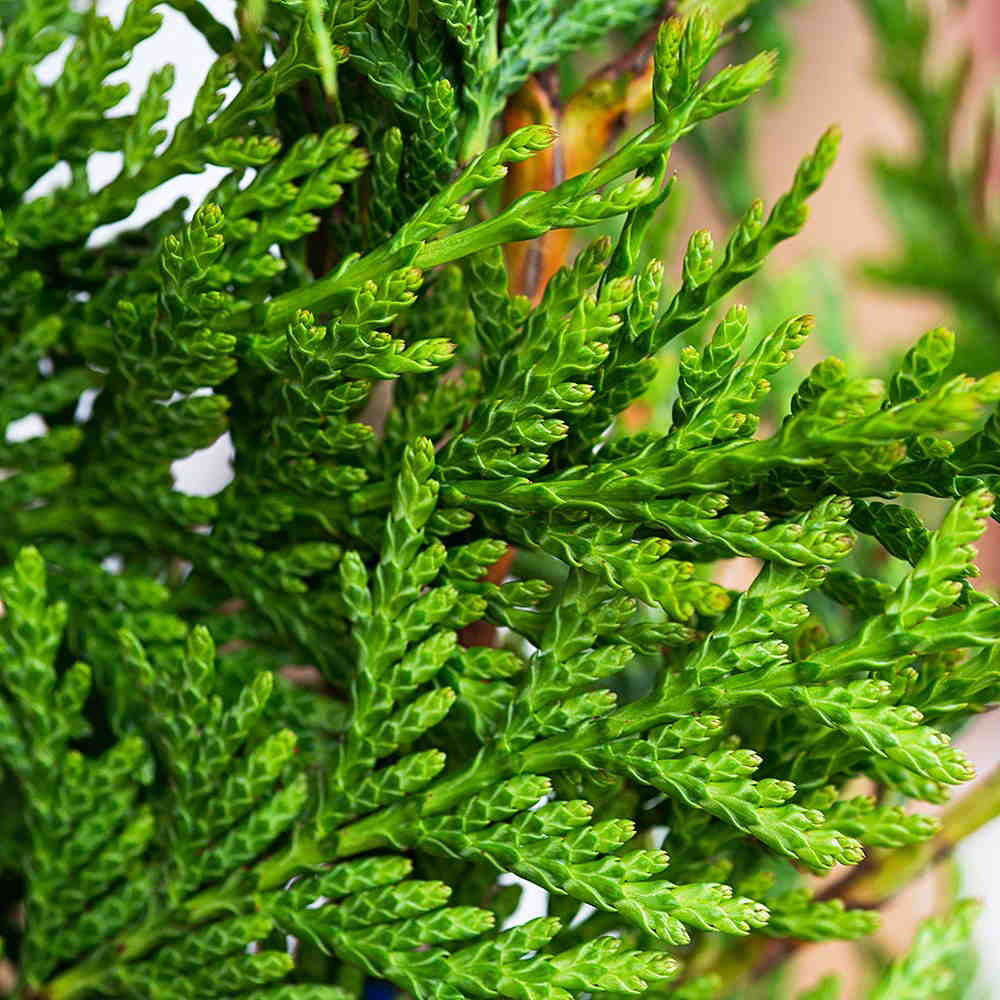
Thuja (Thuja occidentalis or Thuja plicata), commonly known as Cedar or Arborvitae, is the “Goldilocks” of hedging. It offers a perfect balance: it grows faster than Yew but stays much more manageable and refined than the unruly Leylandii. It’s the go-to choice for homeowners who want a thick, fragrant “living wall” in record time.
Why Choose Thuja?
-
Rapid Privacy: Thuja is a powerhouse grower. If you are looking to block out a neighbor’s window or a busy road quickly, Thuja will reach your desired height years before most other species.
-
Aromatic Foliage: One of Thuja’s hidden gems is its scent. When the scale-like leaves are crushed or trimmed, they release a refreshing, fruity pineapple or cedar aroma.
-
Rich, Year-Round Green: Unlike some evergreens that turn “bronze” or dull in the winter, Thuja maintains a lush, vibrant green (or gold, depending on the variety) even in freezing temperatures.
-
Naturally Conical & Neat: It has a naturally upright, columnar habit. This means it takes up less “horizontal” space in your garden compared to bushy laurel, making it perfect for smaller plots.
Key Varieties at a Glance
Performance & Hardiness
-
Wind & Noise Buffer: Because the foliage is so dense and grows right down to the ground, it acts as an incredible acoustic barrier against traffic.
-
Regenerative Power: Unlike many conifers (like Leylandii), Thuja can grow back from old wood if you prune it back hard, making it much more “forgiving” if you miss a year of trimming.
-
Hardy & Resilient: It is incredibly tough, handling frost, heavy snow, and urban pollution without breaking a sweat.