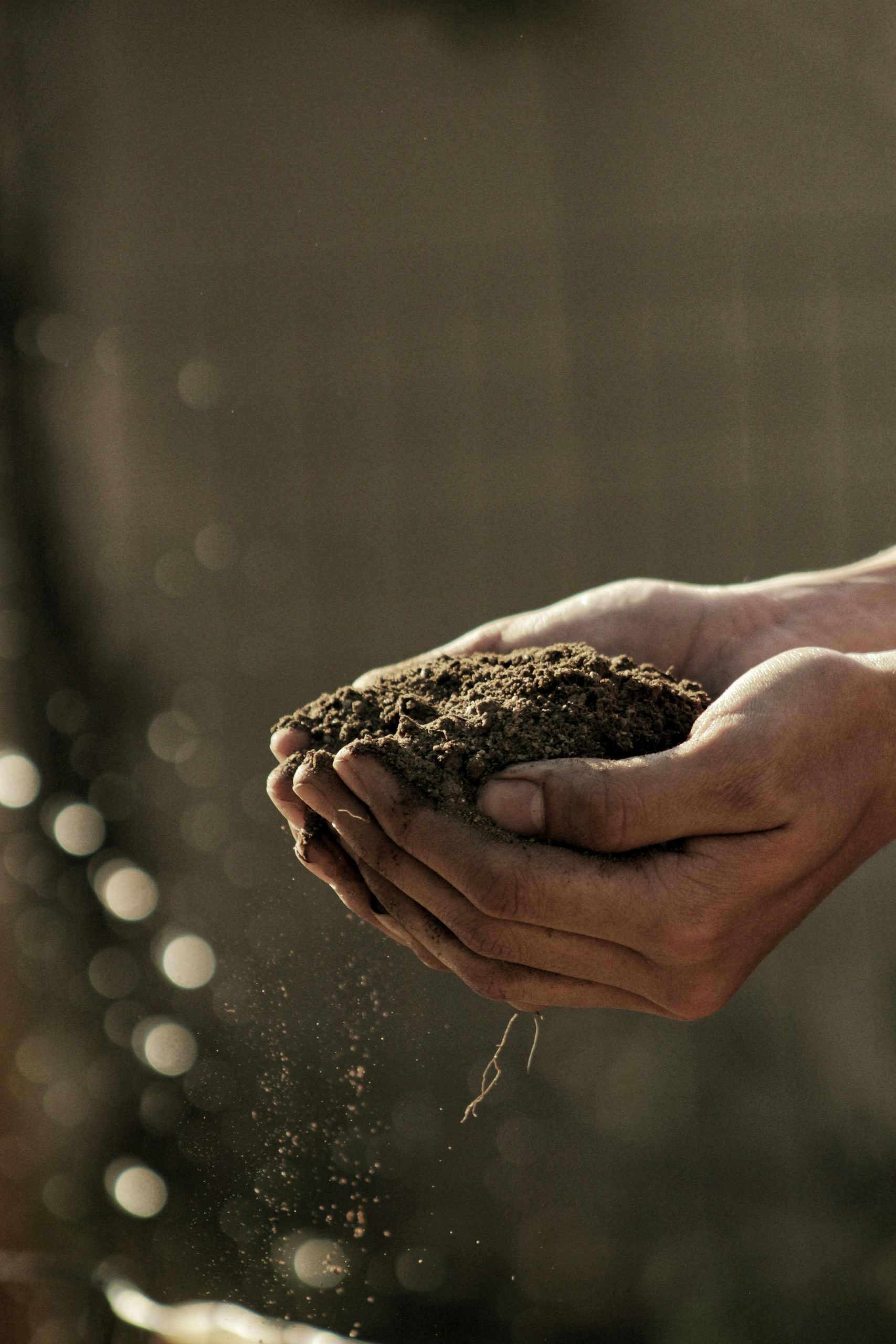
Description
Technical Guide: Enhancing Arboreal Health via Compost Application
In natural forest ecosystems, trees are self-sustaining, recycling organic matter through leaf litter and fallen wood. In managed landscapes, the application of high-quality compost replicates this “forest floor” ecology, providing essential biological and structural benefits to the tree.
The Biological Advantages of Compost
Unlike synthetic fertilizers, which provide a rapid chemical surge, compost acts as a sustained-release biological amendment.
-
Soil Physicality: Improves porosity in heavy clay soils (aeration) and increases the cation exchange capacity (CEC) and water retention in sandy soils.
-
Symbiotic Microbiology: Introduces mycorrhizal fungi, which form a symbiotic relationship with root systems, exponentially increasing the surface area for nutrient and water absorption.
-
Pathogen Suppression: A robust soil microbiome competes with harmful pathogens, effectively strengthening the tree’s systemic resistance to rot and pests.
Application Protocols
Improper application can lead to trunk decay or root circling. Adhere to the following standards:
1. Location: The “Drip Line” Strategy
The most active feeder roots are located at the drip line (the perimeter of the tree’s canopy).
-
Begin application 3–6 inches away from the trunk.
-
Extend the application to the edge of the canopy or slightly beyond.
2. The “Root Flare” Integrity
Avoid “Mulch Volcanoes”: Never pile compost or mulch against the bark.
The Golden Rule: The root flare (the area where the trunk expands at the base) must remain visible and dry. Trapped moisture leads to adventitious rooting, fungal infection, and bark-boring insect infestations.
3. Methodology by Tree Age
-
Established Trees (Top-Dressing): Apply a 1–2 inch layer of compost directly to the soil surface. Top with a layer of wood chips. Allow soil fauna (earthworms) to incorporate the nutrients naturally.
-
New Plantings (Amending): Do not fill the planting hole with pure compost. Use a ratio of 20–25% compost to 75–80% native soil.
-
Note: Over-amending the hole can discourage roots from spreading into the surrounding native soil, leading to a “pot-bound” effect.
-
Comparative Analysis: Compost vs. Wood Chips
Advanced Treatment: Compost Tea
For “stressed” specimens requiring immediate intervention, Compost Tea is recommended. This involves steeping high-quality compost in aerated water to extract beneficial microbes.
-
Delivery: Pour the liquid directly over the root zone.
-
Benefit: Provides a concentrated microbial dose without altering the soil grade or height, making it ideal for trees in sensitive or restricted landscapes.