Technical Brief: Epicormic Growth Dynamics
Epicormic growth is a regenerative biological process characterized by the emergence of new shoots from dormant (latent) buds situated beneath the bark of a tree’s trunk or primary branches. While often colloquially referred to as “water sprouts” or “suckers,” these structures represent a critical physiological fail-safe.
1. Physiological Triggers and Mechanisms
Epicormic shoots are typically suppressed by hormones (auxins) produced in the tree’s primary canopy. When this suppression is interrupted, growth is triggered. Common catalysts include:
-
Environmental Stress: Severe drought, fire, or pest infestations that compromise the primary foliage.
-
Mechanical Damage: Over-pruning, limb breakage from wind, or physical trauma to the bark.
-
Sudden Light Exposure: The removal of neighboring trees (thinning), which allows sunlight to hit the trunk directly, stimulating dormant buds.
2. Core Functions and Characteristics
Rather than a “malfunction,” epicormic growth is a highly functional survival mechanism designed to restore the tree’s metabolic balance.
-
Rapid Photosynthetic Recovery: These shoots grow at an accelerated rate to quickly replace lost leaf area, ensuring the tree can continue to produce energy via photosynthesis.
-
Vertical Morphology: Epicormic sprouts are characterized by aggressive, vertical growth patterns and a lack of structural integration compared to original branches.
-
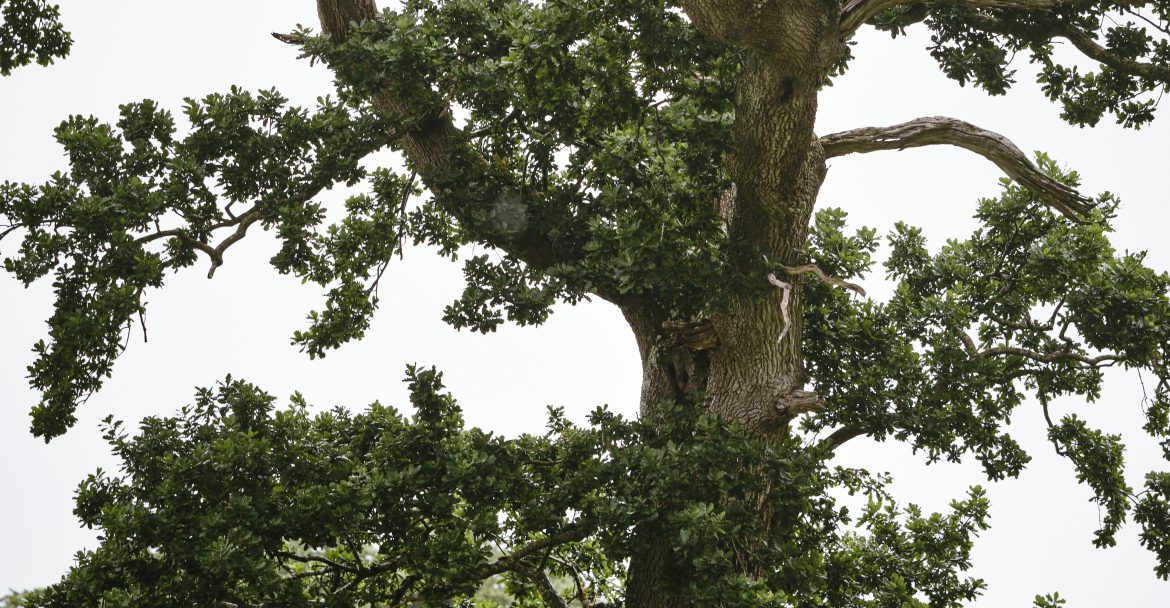
Aesthetic Impact: Extensive sprouting can give the bark a “knobbly” or “fuzzy” appearance, particularly in species like Oaks and Eucalypts.
3. Strategic Management & Forestry Perspectives
In the context of arboriculture and forestry, epicormic growth is viewed through two distinct lenses:
4. Species Variation
The capacity for epicormic growth varies significantly across the plant kingdom:
-
High Propensity: Common in most deciduous hardwoods (e.g., Oak, Elm) and specific evergreens like Eucalypts.
-
Low Propensity: Infrequent in many conifer species, which may lack the dormant bud structures required for this type of regeneration.