The Viability of Mediterranean Trees in the Changing UK Climate
Mediterranean tree species are becoming increasingly viable—and often preferable—alternatives for British landscapes. As UK summers trend notably hotter and drier, flora adapted to arid conditions consistently maintain their vitality with significantly lower irrigation requirements than traditional native species.
However, long-term cultivation success depends heavily on mitigating specific soil conditions and winter vulnerabilities.
Key Advantages: Summer Resilience
-
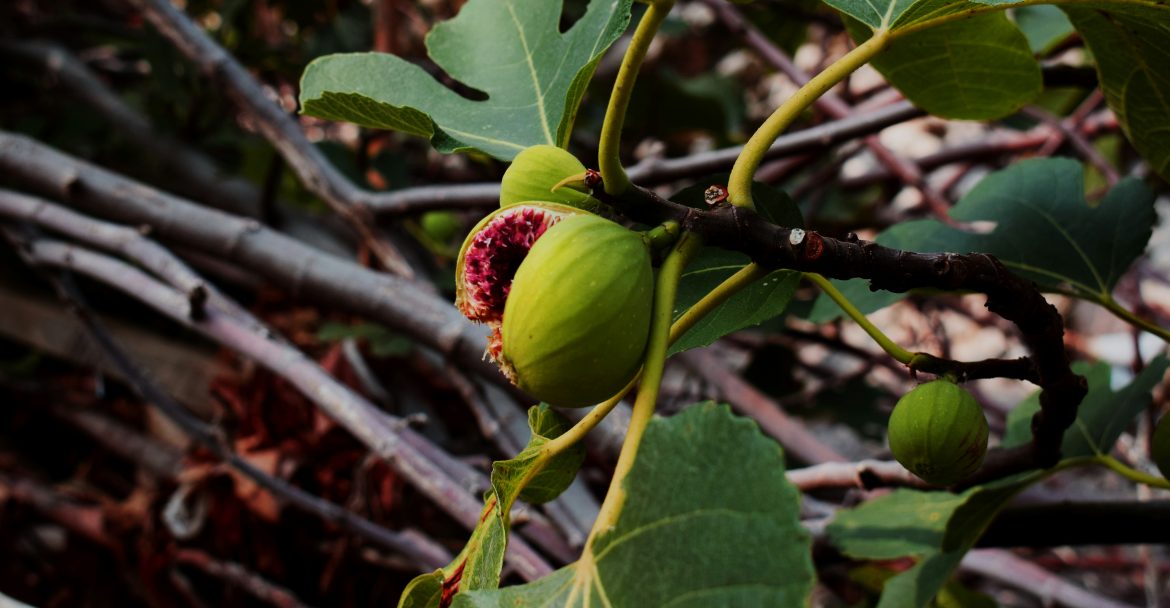
Superior Drought Tolerance: Species such as the Olive (Olea europaea) and Fig have evolved to endure prolonged periods of intense heat and minimal rainfall. Unlike native British trees or herbaceous borders that prone to scorching under heat stress, Mediterranean varieties utilize deep root systems and specialised foliage (waxy or silvery surfaces) to reflect sunlight and drastically minimise transpiration.
-
Strategic Climate Adaptation: Leading horticultural authorities, including the Royal Horticultural Society (RHS) and the National Trust, are actively integrating Mediterranean and exotic species into their planting schemes to future-proof managed landscapes against projected climate shifts.
Primary Challenges: British Winter Limitations
-
Susceptibility to Waterlogging (“Wet Feet”): The primary threat to Mediterranean flora in the UK is not low temperatures, but rather the combination of cold and saturated, poorly drained soil during winter. While native species tolerate heavy, damp soils, Mediterranean varieties are highly susceptible to root rot if root zones remain waterlogged.
Recommended Species for the UK Climate
For optimal resilience and performance in British gardens, consider the following varieties:
Best Practices for Successful Cultivation
To ensure the long-term establishment of these species within a UK landscape, adhere to the following management practices:
-
Optimize Soil Drainage: Incorporate significant quantities of horticultural grit or sharp sand into the planting zone, particularly when working with heavy clay soils.
-
Select Sheltered Microclimates: Situate specimens where they are protected from prevailing, freezing winter winds.
-
Utilize Containerization: In northern or high-rainfall regions of the UK, cultivate specimens in large, well-draining planters. This allows for seasonal relocation to greenhouses or sheltered positions during severe winter frosts.