Technical Brief: Acceleration Strategies in Modern Silviculture
Accelerated tree growth is achieved through a multi-disciplinary approach involving advanced silviculture, genomic selection, and precision environmental control. These methodologies aim to maximize biomass production and carbon sequestration efficiency.
Key Methodologies for Growth Acceleration
1. Controlled Environment Agriculture (CEA) & Vertical Farming
Modern propagation techniques have revolutionized early-stage development.
-
Performance: Seedlings in vertical farms can reach 40–50 cm in just 90 days.
-
Comparison: Traditional field settings typically require 18 months to reach the same maturity.
-
Efficiency: Significant reductions in water consumption and land footprint.
2. Genetic Selection and “Speed Breeding”
-
Genomic Selection: Identifying and breeding superior genotypes that exhibit inherent vigor and disease resistance.
-
Developmental Manipulation: Forest Research indicates that extended photoperiods (daylight hours) and elevated levels can dramatically shorten flowering cycles and maturation times.
3. Advanced Silviculture Management
-
Nutrient Optimization: Targeted soil nutrition management during the “establishment phase” to boost initial growth.
-
Optimal Spacing: Strategic density management to minimize resource competition, preventing the narrow growth rings associated with overcrowding.
-
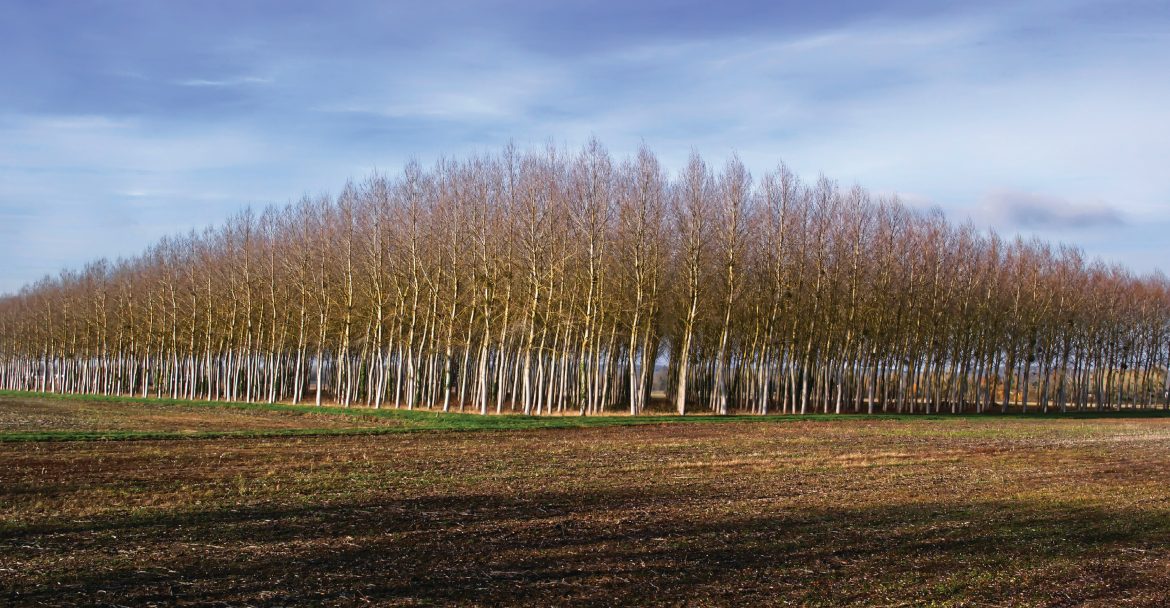
Mixed Species Synergy: Utilizing nitrogen-fixing intercrops (e.g., Alfalfa) to enhance the growth of primary species like Poplar.
High-Yield Species Profiles
Certain species are prioritized in plantation forestry for their rapid biomass accumulation:
Other notable fast-growers include Lombardy Poplar and Dawn Redwood.
Strategic Benefits and Quality Considerations
-
Sustainability & Climate: Rapid growth cycles are critical for re-greening degraded landscapes and accelerating carbon sequestration to meet net-zero targets.
-
Resource Pressure: Fast-growing plantations provide a reliable timber supply, reducing logging pressure on primary/old-growth natural forests.
-
The “Juvenile Wood” Factor: A critical technical consideration is that rapid growth can result in lower-density wood. Professional management focuses on balancing growth velocity with structural integrity to ensure high-quality timber output.