Executive Summary: Arboreal Reproductive Strategies
Trees employ a sophisticated array of biological mechanisms to ensure the survival and expansion of their species. These strategies—ranging from sexual reproduction via flowers and seeds to asexual cloning—are precisely tuned to their specific environmental niches to maximize genetic diversity and resource efficiency.
I. Floral Mechanics: The Pollination Catalyst
The reproductive cycle begins with the flower, the specialized organ designed for pollination: the transfer of pollen from the anther (male) to the stigma (female).
-
Anemophily (Wind Pollination): Species such as oaks and willows produce catkins—inconspicuous, pendulous flowers that release massive quantities of pollen. To optimize success, these trees typically bloom in early spring before leaf-out to minimize physical interference.
-
Biotic Pollination: Fruit and broadleaf trees utilize “rewards” (nectar and fragrance) and visual cues (vibrant petals) to attract insects and birds. This targeted delivery system is highly efficient compared to wind dispersal.
-
Genetic Optimization: While some species are self-fertile, the majority utilize cross-pollination between different varieties to produce hardier offspring and superior crop yields.
II. Fruit Morphology: Protection and Dispersal
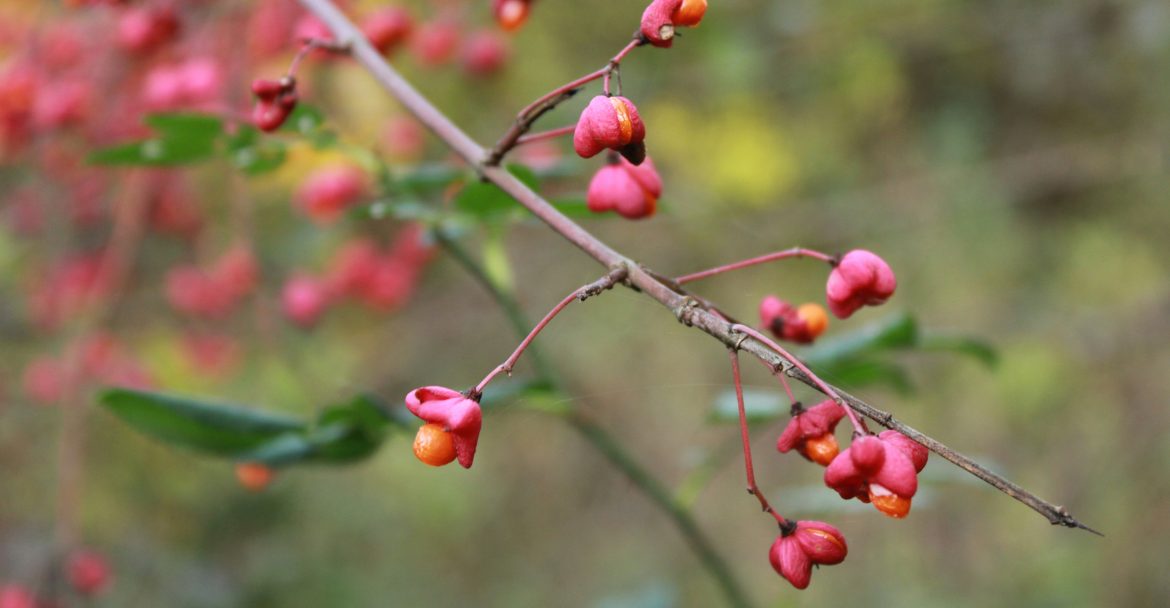
Following fertilization, the ovary matures into a fruit, which serves as both a protective vessel and a strategic vehicle for seed transport.
III. Seed Physiology and Dormancy
The seed acts as an embryonic “survival capsule,” containing the genetic blueprint and a primary food supply protected by a resilient coat.
-
Rapid Germination: Common in tropical climates where environmental stability allows for immediate growth.
-
Temperate Dormancy: In colder regions, seeds often require stratification—a period of cold or specific moisture levels—to “break” dormancy. This ensures the seedling emerges only when spring conditions are favorable.
IV. Asexual Reproduction: Genetic Persistence
When sexual reproduction is hindered or environmental stability is required, trees may utilize vegetative (asexual) reproduction.
-
Suckering and Sprouting: Many species can regenerate from root systems or fallen trunks (coppicing).
-
Clonal Colonies: This method allows a single genetic individual to colonize large areas, ensuring the survival of the root system even if the primary trunk sustains fatal damage.