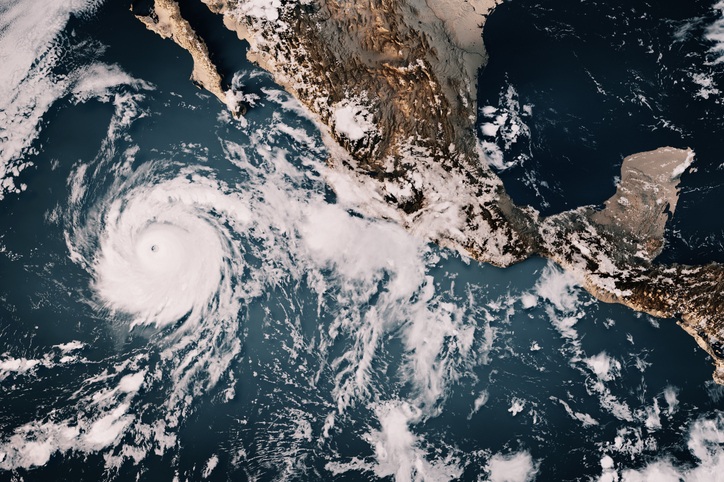
The relationship between El Niño and global forests constitutes a complex ecological feedback loop: trees function as historical proxy records of past climatic shifts, experience significant physiological distress during severe events, and offer essential mitigation against climate-induced disruptions. As the frequency and intensity of extreme El Niño-Southern Oscillation (ENSO) events rise, understanding this interaction is increasingly vital for environmental management and climate policy.
1. Dendrochronological Records of Historical Climate
Prior to modern satellite telemetry, trees served as critical natural archives for tracking long-term ENSO variability. Because El Niño drastically alters regional precipitation and temperature regimes, it directly governs annual cambial growth in woody plants.
-
Annual Ring Growth: Favorable climatic conditions yield wider growth rings, whereas severe El Niño-induced droughts or hydrological anomalies produce distinctly narrower rings.
-
Millennial Baselines: High-resolution paleoclimate reconstructions—integrating tree-ring analysis, coral proxies, and historical records—indicate that recent extreme El Niño events are unprecedented within the last millennium.
2. Ecological Vulnerability and Forest Degradation
Severe ENSO events reconfigure global precipitation patterns, exposing forest ecosystems to compounding stressors including prolonged drought, wildfire, and physical windthrow.
-
Heightened Wildfire Dynamics: In tropical regions such as the Amazon Basin and Southeast Asia, El Niño suppresses seasonal rainfall and elevates temperatures. This severely lowers fuel moisture thresholds, accelerating the initiation and spread of both natural and anthropogenic forest fires.
-
Structural Damage and Storm Vulnerability: In regions experiencing heightened storm activity, severe droughts compromise tree structural integrity by dehydrating root systems and stems. Subsequent high-velocity winds and heavy precipitation easily uproot vulnerable or mature stands, leading to canopy loss and habitat fragmentation.
3. Nature-Based Mitigation and Ecosystem Services
Despite their vulnerability to climatic extremes, forests and integrated agroecosystems serve as critical infrastructure for buffering the impacts of El Niño.
-
Urban Environmental Stabilization: In municipal areas, canopy cover mitigates extreme urban heat island effects through shading and evapotranspirational cooling. Concurrently, root networks enhance soil infiltration capacity, mitigating urban stormwater runoff and flash flooding during intense precipitation events.
-
Agricultural Climate Resilience: To safeguard vulnerable crops such as coffee and cacao, agricultural producers increasingly adopt agroforestry practices. Incorporating shade trees moderates microclimates, buffers crops from extreme temperatures and torrential rain, and improves soil moisture retention during extended dry periods.