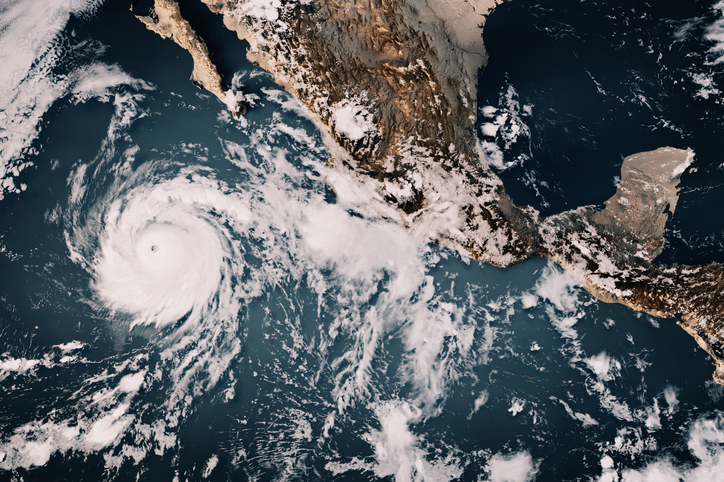
Deep within the heart of global forests, an ancient conversation is unfolding—one written in the language of Pacific winds, warming waters, and tree rings. The relationship between El Niño and Earth’s woodland ecosystems is a delicate, complex feedback loop: trees act as living scribes of historic climate shifts, endure profound stress during severe atmospheric events, and yet remain our most vital defense against a destabilizing climate. As El Niño-Southern Oscillation (ENSO) cycles grow more frequent and intense, unraveling this connection is no longer just an academic pursuit; it is a necessity for the survival of planet Earth.
1. Living Archives of a Restless Planet
Long before satellite telemetry began tracking sea-surface temperatures from space, trees were quietly keeping score. Because El Niño radically alters rainfall and temperatures across whole continents, it leaves an unmistakable fingerprint on the growth of woody plants.
-
Concentric Chronicles: During generous, rain-abundant seasons, cambial growth surges, leaving behind wide, pale rings of wood. But when El Niño brings scorching droughts or hydrological chaos, trees pinch shut, producing narrow, dark bands that mark years of struggle.
-
A Thousand-Year Baseline: By combining tree-ring analysis with coral proxies and ice cores, paleoclimatologists have reconstructed high-resolution climate records stretching back over a millennium. The verdict is stark: modern, extreme El Niño events are unlike anything seen in the last 1,000 years.
2. Forests Under Fire: Vulnerability and Degradation
When a severe ENSO event ignites across the Pacific, global weather shifts instantly, leaving forests exposed to a destructive trifecta: prolonged drought, fire, and punishing winds.
-
Tinderboxes in the Tropics: In places like the Amazon Basin and the dense rainforests of Southeast Asia, El Niño chokes off seasonal rains and spikes temperatures. Leaves dry out, leaf litter accumulates, and the forest floor becomes a tinderbox where a single spark can set thousands of acres ablaze.
-
Structural Strain: Drought also starves root networks and stems of vital moisture. When high-velocity storms eventually sweep in, these weakened giants are easily uprooted, tearing gaps in the canopy and fracturing delicate wildlife habitats.
3. Nature’s Shield: Ecosystems on the Frontline
Despite their vulnerability, healthy forests and integrated agricultural lands act as natural shock absorbers, buffering human communities from the worst impacts of extreme weather.
-
Urban Cooling and Flood Defense: In concrete jungles, dense tree canopies cool neighborhood microclimates through shade and evapotranspiration. Down below, deep root networks act as sponge-like infrastructure, absorbing heavy stormwater runoff and stemming flash floods during intense atmospheric river events.
-
Agroforestry for Climate Resilience: On farms cultivating sensitive crops like coffee and cacao, farmers are turning to shade-tree canopy systems. By interplanting native trees among crops, farmers create microclimates that shield fragile yields from scorching heat waves and torrential downpours while keeping moisture locked in the soil during extended droughts.
-