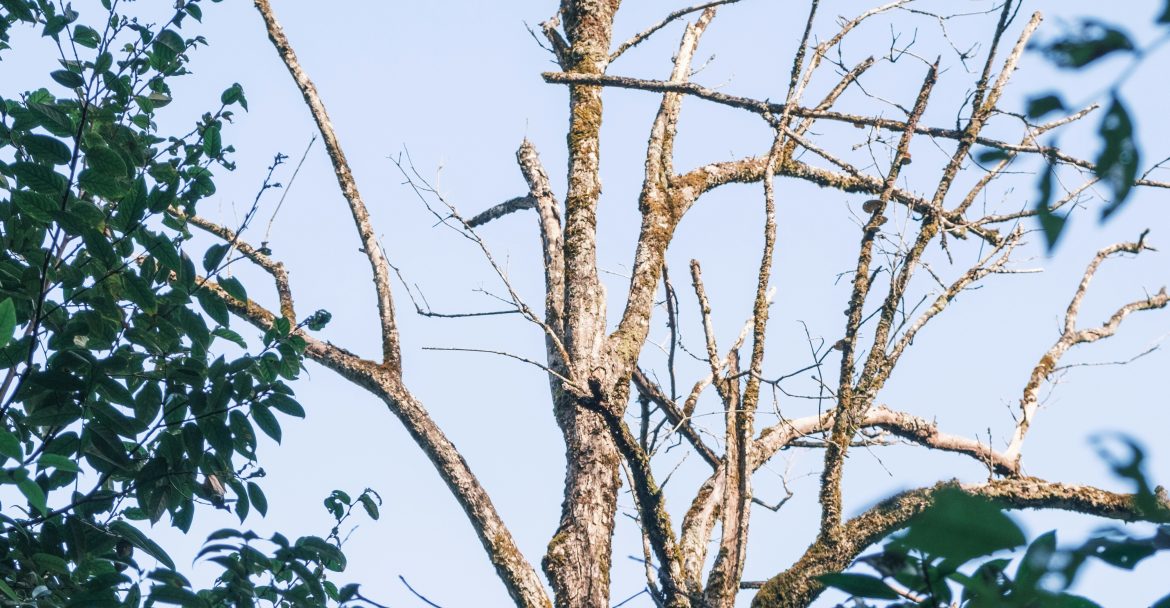
Guide: How to Determine if a Tree is Dead or Dormant
Distinguishing between a dormant tree and a dead one can be challenging, especially during the winter months. To accurately assess the health of your tree, follow this systematic diagnostic process.
1. The Scratch Test (Primary Diagnostic)
The most reliable method for checking a tree’s vitality is inspecting the cambium—the layer of living tissue just beneath the bark.
-
Procedure: Use a fingernail or a pocket knife to lightly scrape a small patch of bark from several branches.
-
Results:
-
Alive: The underlying tissue is green, moist, and pliable.
-
Dead: The underlying tissue is brown, dry, and brittle.
-
-
Pro-Tip: If a branch tip appears brown, continue testing further down toward the trunk. If you find green tissue closer to the main body, the tree is likely still alive, though specific branches may have died back.
2. Inspection of Buds and New Growth
Even during dormancy, a healthy tree will prepare for the upcoming growing season.
-
Dormant (Healthy): Buds are present, firm, and securely attached. Colors vary by species (green, red, or brown).
-
Dead: No buds are present, or existing buds are dry, shriveled, and crumble easily when touched.
3. Trunk and Bark Health
The condition of the main trunk often indicates whether a tree is beyond recovery. Watch for these three “red flags”:
4. Canopy and Structural Indicators
Assess the overall architecture and flexibility of the tree to determine its structural integrity.
-
The Snap Test: Attempt to bend a small twig. A living twig will bend or “give” significantly; a dead twig will snap or shatter immediately.
-
Delayed Foliage: If it is late spring/summer and the tree remains bare while similar species are in full leaf, the tree is likely dead or dying.
-
Sudden Leaning: A new or significant lean (greater than 15°) often indicates root failure or rot, which is a precursor to the tree falling.