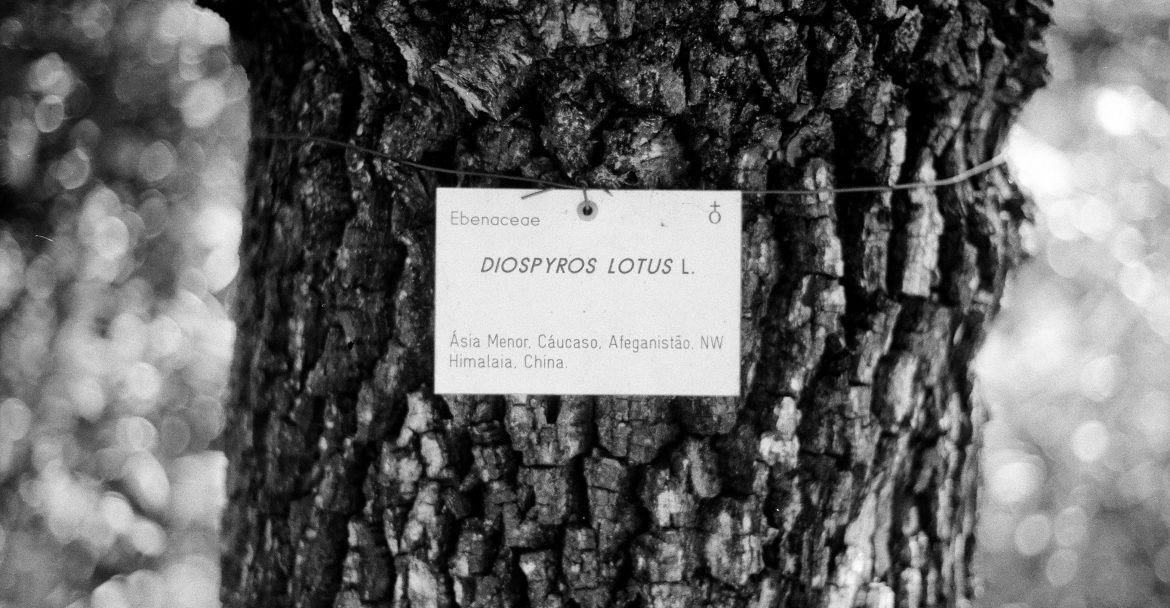
The Science of Silviculture: Understanding Latin Nomenclature
The use of Latin in botanical classification isn’t just a nod to tradition; it is a sophisticated, global system of identification. Established by Swedish botanist Carl Linnaeus in the 18th century, this system—known as binomial nomenclature—provides a standardized language for scientists, foresters, and gardeners worldwide.
Why Latin?
While it may seem archaic, Latin offers three distinct advantages for scientific communication:
-
A “Fixed” Language: Because Latin is no longer a spoken “living” language, its vocabulary and meanings remain static. This prevents the linguistic drift that can change the definition of words in modern languages over time.
-
Global Neutrality: It serves as a common ground for the international community, bypassing regional dialects and national biases.
-
Academic Heritage: In the 1700s, Latin was the lingua franca of scholarship, making it the logical choice for Linnaeus’s foundational work.
Key Benefits of the Binomial System
Relying on common names can lead to significant botanical errors. Latin names provide the precision necessary for professional forestry.
Anatomy of a Scientific Name
A tree’s scientific name consists of two specific parts, traditionally written in italics to distinguish them from the surrounding text:
-
Genus: The broader group to which the tree belongs (e.g., Quercus for all oaks).
-
Specific Epithet: The identifier for the specific species within that group (e.g., robur for the English oak).
The Result: Quercus robur—a unique, universal identity recognized by botanists and foresters across every continent.
Note: Proper formatting requires the Genus to be capitalized and the specific epithet to be lowercase (e.g., Pinus sylvestris).