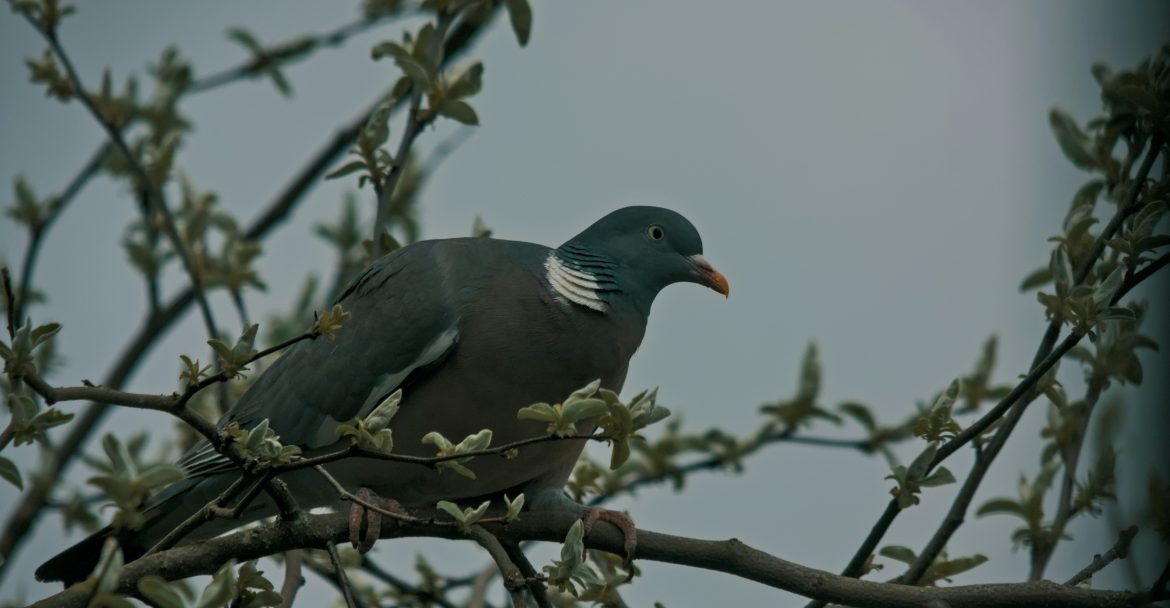
Avian Symbiosis: The Interdependent Relationship Between Birds and Trees
The bond between birds and trees is a fundamental pillar of terrestrial biodiversity. This symbiotic relationship functions as a closed-loop system where trees provide the essential infrastructure for life, and birds act as the mobile agents of forest maintenance and expansion.
Tree-Derived Resources for Avian Populations
Trees function as “all-in-one” habitats, offering a sophisticated vertical structure that provides critical resources throughout the annual cycle.
-
Nutritional Hubs: Trees serve as primary producers of seeds, nuts, and high-energy fruits. Beyond direct consumption, they host vast populations of insects and larvae, which are the vital protein source required by nesting birds to raise healthy chicks.
-
Architectural Shelter: Dense foliage and defensive structures, such as the thorny branches of Hawthorns, provide a physical “fortress” against aerial predators and buffer birds from extreme weather conditions.
-
Nesting Stratification: The structural diversity of a tree accommodates various nesting strategies:
-
Canopy Nesters: Utilize the safety of high, flexible branches.
-
Cavity Nesters: Species like woodpeckers and owls rely on the natural hollows and fissures found in older or “veteran” trees.
-
Avian Contributions to Silviculture
Birds are active participants in the forest lifecycle, often described as the “natural planters” of the ecosystem.
-
Biological Seed Dispersal: By consuming fruits and berries, birds transport seeds over vast distances. These seeds are then “planted” via droppings, often accompanied by a small amount of natural fertilizer, allowing forests to migrate and colonize new territories.
-
Integrated Pest Management: Birds provide a critical service by consuming thousands of plant-ravaging insects, such as aphids and caterpillars. This natural predation helps maintain the health and vitality of the tree without the need for chemical intervention.
Selection Guide: Top Trees for Avian Diversity
To maximize bird activity in a managed landscape or garden, selecting species that offer high “ecological yields” is essential.