The Symbiotic Relationship Between Bats and Trees
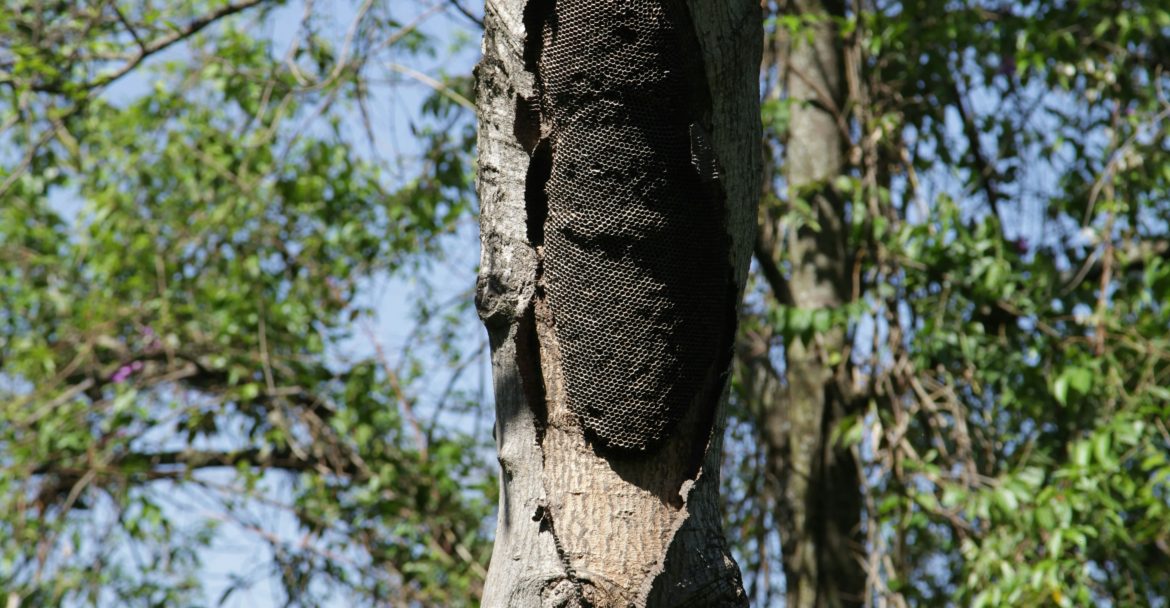
Bats and trees share a vital, reciprocal relationship essential for biodiversity. For bats, trees provide the structural environment necessary for survival; conversely, bats act as “ecosystem engineers” that support tree health through various biological services.
How Bats Utilize Trees
Trees serve as multifaceted infrastructure for bat populations, supporting them through every stage of their life cycle.
-
Roosting and Shelter: Bats utilize specific arboreal features for daily rest and protection.
-
Crevices: Species like Pipistrelles and Barbastelles utilize cracks, splits, or loose bark.
-
Cavities: Larger species, such as Noctules, frequently inhabit woodpecker holes or rot-induced hollows.
-
Foliage: Certain species roost directly within leaves or “skirt fronds.”
-
-
Foraging and Hunting: Trees act as an insect “larder.” Bats employ two primary strategies:
-
Hawking: Capturing insects mid-flight within the canopy.
-
Gleaning: Harvesting insects directly from leaves or bark surfaces.
-
-
Navigation: Linear tree features and hedgerows act as commuting corridors, providing landmarks and protection from predators during transit.
-
Hibernation: Deep cavities and hollow trunks offer the stable, frost-free thermal environments required for winter torpor.
Ecological Benefits to Trees
The presence of bat populations provides significant advantages to forest health and agricultural productivity.
Conservation and Legal Framework
In many regions, including the UK, bats and their habitats are under strict legal protection. Compliance is essential for landowners and developers.
Key Legal Requirement: It is illegal to damage or destroy a bat roost, regardless of whether bats are currently present.
Best Practices for Management:
-
Tree Management: Before felling or pruning mature trees, a Preliminary Roost Assessment must be conducted to identify Potential Roost Features (PRFs).
-
Artificial Habitats: Installing bat boxes on trees or buildings can provide critical alternative roosting sites where natural cavities are scarce.