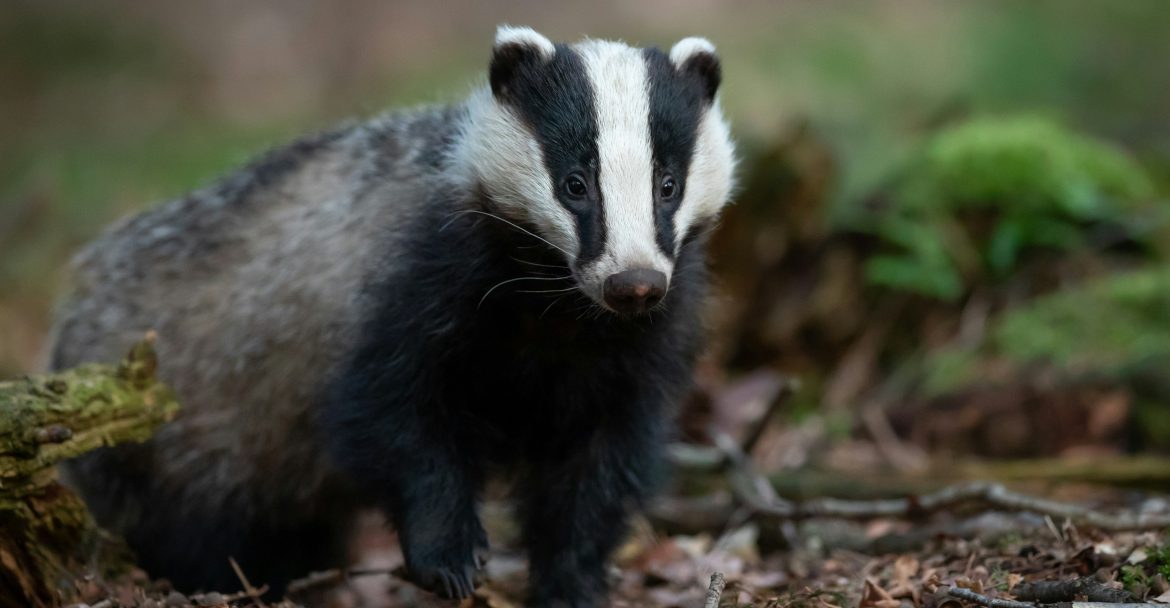
Ecological Synergy: Badgers and Woodland Habitats
The relationship between badgers and trees is a cornerstone of temperate woodland ecosystems. This mutualistic bond ensures the structural integrity of the badger’s habitat while simultaneously driving forest regeneration and biodiversity.
Key Biological Interactions
Badgers function as “ecosystem engineers,” utilizing the physical properties of trees for survival while providing essential services to the flora in return.
-
Sett Construction & Structural Support: Badgers strategically excavate their setts at the base of large trees or within dense hedgerows. Tree roots act as a natural “wooden roof,” reinforcing tunnel networks and preventing soil collapse.
-
Territorial Marking & Grooming: Trees—particularly elder trees—serve as vital scratching posts. Badgers use the bark to sharpen claws and stretch tendons. This behavior also facilitates scent marking; glands between their toes leave chemical signals up to 1.1 meters high to define territory.
-
Dietary Dependency: Trees provide a seasonal buffet of fallen fruit (apples, pears, plums) and mast (acorns). Furthermore, badgers forage in the decaying wood of fallen trees to find protein-rich grubs and insects.
-
Natural Rewilding: Through seed dispersal, badgers are primary drivers of forest expansion. Elderberry seeds passed through badger dung frequently germinate directly outside sett entrances, creating new micro-habitats.
Legal Protections and Forestry Management
In the UK, the Protection of Badgers Act 1992 strictly regulates any activity that might disturb these animals or their habitats. This has direct implications for arboriculture and forestry operations.
Ecological Summary
“Badgers and trees share a close, mutually beneficial relationship… badgers act as ‘natural rewilders’ by dispersing tree seeds and creating fertile micro-habitats for new growth.” — Woodland Trusts