Arboreal Defense: The Strategic Survival of Trees
Trees have evolved sophisticated and proactive defense mechanisms to protect themselves from herbivory and environmental stressors. These strategies range from symbiotic alliances and chemical signaling to physical armor and visual deception.
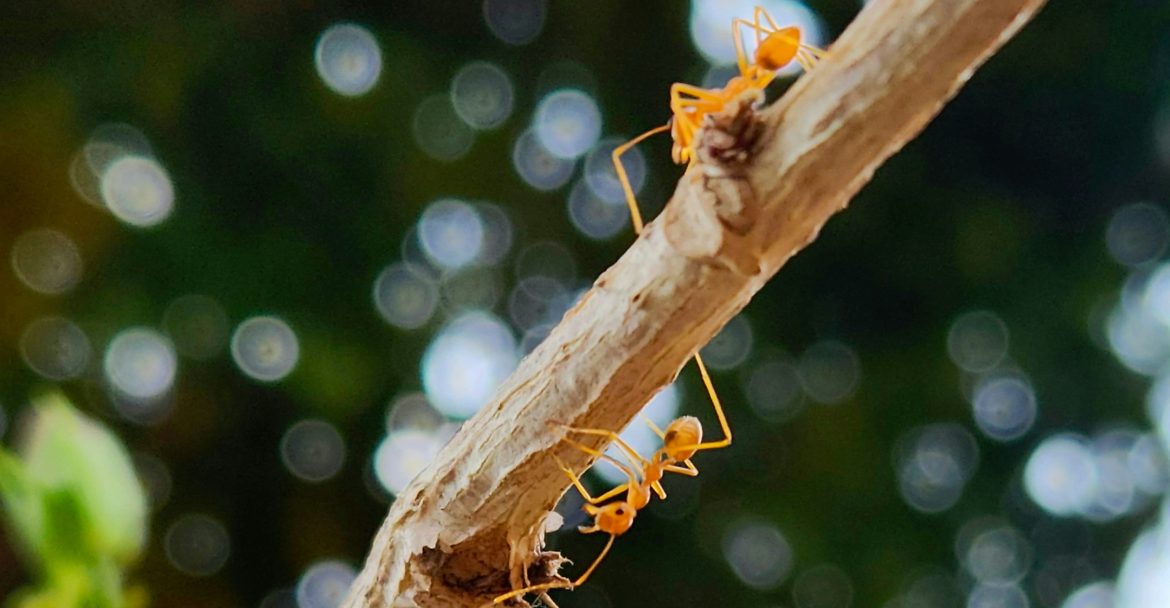
1. Symbiotic Security: The Ant “Bodyguard” System
The African Acacia tree utilizes a specialized symbiotic relationship to outsource its physical protection.
-
The Incentive: The tree provides hollow thorns for shelter and nutrient-rich secretions (extrafloral nectars) as food.
-
The Service: In exchange, specific ant species act as a private security force. They aggressively swarm and attack any organism—from small beetles to large giraffes—that attempts to consume the tree’s foliage.
2. The “Wood Wide Web”: Collective Chemical Defense
Trees utilize a vast underground network of mycorrhizal fungi to communicate and coordinate defenses across a forest.
-
Warning Signals: When a tree is attacked by pests, it releases chemical “stress signals” into this fungal network.
-
Preventative Defense: Receiving trees interpret these signals as a warning. They preemptively boost their own internal defenses—such as increasing concentrations of bitter-tasting tannins or toxins—before the pests even arrive.
3. Visual Camouflage: Deceiving Predators
While typically associated with the animal kingdom, some flora uses visual mimicry to evade detection.
-
The Moa Defense: In New Zealand, certain tree species evolved juvenile leaves that are thin, mottled, and dull in color to blend into the forest floor.
-
Strategic Growth: This camouflage was specifically designed to hide from the now-extinct Moa bird. Once the tree grows tall enough to be out of the bird’s reach, it transitions into standard, vibrant green adult leaves.
4. Physical Armor and Chemical Deterrents
Many species rely on direct mechanical and chemical barriers to prevent damage.
-
Physical Obstacles: The Blackthorn (Prunus spinosa) develops dense, razor-sharp thorns capable of deterring large livestock.
-
Toxic Payoffs: While the fruit may appear enticing, it is often highly astringent. In many species, the seeds contain poisonous compounds to ensure the plant isn’t destroyed during consumption.
-
Adhesives: Sticky resins and sap serve a dual purpose: they can physically “gum up” the mouthparts of predatory insects and create a slippery, repellent barrier for climbing predators like snakes.
5. Thigmomorphogenesis: Structural Adaptation
Trees also defend against kinetic “attacks” from their environment, such as high winds or animal interference.
Thigmomorphogenesis: The process by which plants change their growth pattern in response to mechanical sensation.
By sensing physical stress, trees respond by thickening their lower trunks and expanding their root systems. This structural reinforcement ensures the tree remains upright and resilient against future environmental pressures