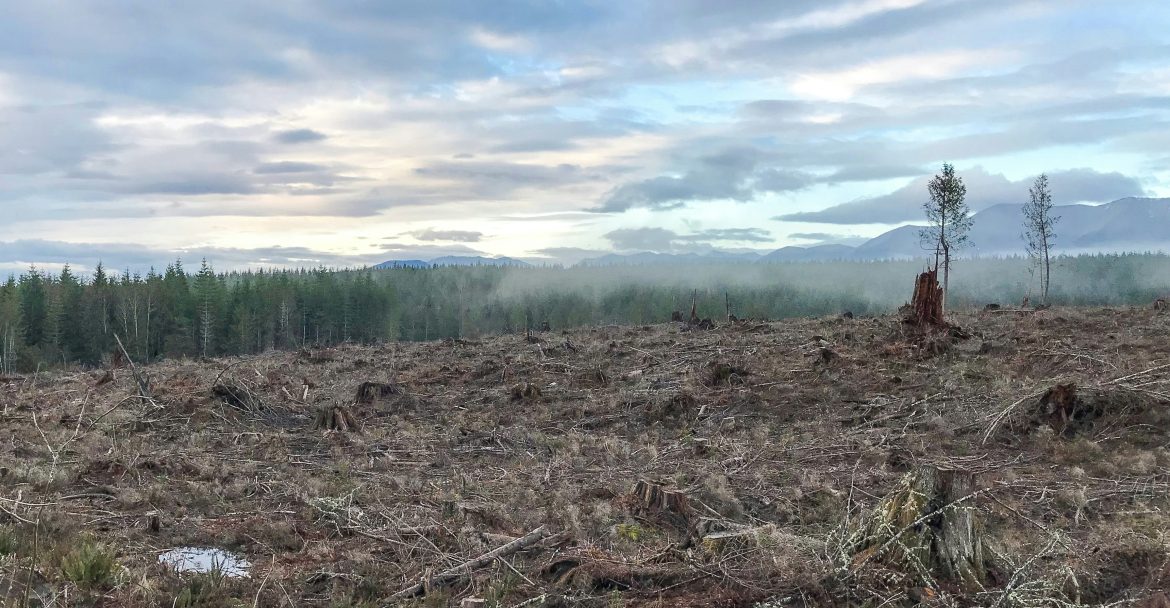
Ecological Impact Assessment: Land Clearance and Biodiversity in the UK
Executive Summary
Land clearance in the United Kingdom represents a critical threat to native wildlife. The systematic removal of vegetation results in immediate habitat destruction, direct mortality, and long-term fragmentation. Projections from Wildlife Trusts Wales indicate that over 100 species face potential extinction by 2080 due to human-led habitat alteration.
1. Core Impacts on Wildlife and Ecosystems
The physical removal of natural features creates a cascade of ecological consequences:
-
Habitat Loss & Fragmentation: Clearing trees, hedgerows, and scrub removes essential nesting sites and food sources. This process breaks continuous landscapes into isolated “islands,” leaving species vulnerable and limiting genetic diversity.
-
Direct Mortality & Displacement: Resident wildlife is often killed or injured during the clearance process. Survivors are forced into unfamiliar territories, leading to increased competition for dwindling resources.
-
Critical Habitat Decline: * Wildflower Meadows: Have suffered a 97% decline over the last century.
-
Scrubland: Targeted clearance removes vital territory for specialist species, such as the nightingale.
-
-
Pollution and Erosion: The loss of root systems leads to significant soil erosion. Furthermore, construction-related noise, dust, and light pollution disrupt the biological rhythms of neighboring wildlife communities.
2. Legal and Regulatory Framework
Developers must navigate a stringent legal landscape to ensure compliance and avoid heavy penalties under the Wildlife and Countryside Act 1981.
Biodiversity Net Gain (BNG)
As outlined by DHA Planning, development projects in England are now legally mandated to demonstrate a minimum 10% Biodiversity Net Gain.
Prevention of Strategic Clearance
To prevent developers from clearing land prematurely to lower their ecological obligations, the Wild Capital reportidentifies a “Retrospective Baseline.”
Note: For BNG calculations, the habitat baseline is fixed to its condition as of January 30, 2020. Any clearance performed after this date does not lower the required mitigation targets.