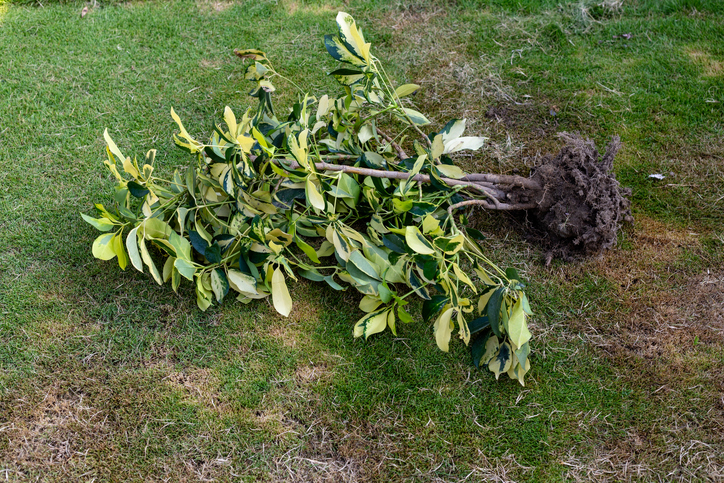
Professional Guide: Tree Transplanting & Relocation Strategies
Tree transplanting is the strategic process of relocating a specimen to preserve its health during construction, landscape redesign, or due to space constraints. Success is dictated by the tree’s physiological health, species-specific requirements, and the mitigation of transplant shock.
I. Optimal Timing for Relocation
Transplanting is most successful when the tree is in a state of dormancy, reducing metabolic stress during the transition.
-
Deciduous Trees: Ideally moved from late autumn (post-leaf drop) to early spring (pre-bud burst), typically between October and March.
-
Evergreen Trees: Best relocated in October or late March, as warmer soil temperatures facilitate faster root re-establishment.
-
Adverse Conditions: Do not attempt relocation if the ground is frozen or significantly waterlogged.
II. Methodologies & Specialized Equipment
The selection of equipment is determined by the specimen’s size and the site’s accessibility.
III. The Transplanting Process
-
Preparation (Pre-Move): For mature specimens, root pruning should be performed one year in advance to stimulate dense feeder roots near the trunk.
-
Lifting: Excavate a root ball approximately 10–12 inches in diameter for every inch of trunk diameter. Secure branches with loose ties to prevent mechanical damage.
-
Replanting: Ensure the new pit is 2–3 times the width of the root ball. Crucial: The depth must match the original soil level; planting too deeply is a leading cause of failure.
-
Aftercare: Consistent irrigation is mandatory for the first full growing season. Apply mulch to retain moisture and suppress competitive weed growth.
IV. Financial Considerations (UK Estimates)
Costs are subject to variation based on specimen size, equipment logistics, and distance.
-
Small/Medium Tree: £400 – £800
-
Large/Mature Tree: £1,000 – £5,000+
-
Specialist Tree Surgeon: ~£120 per hour
-
Transportation (3.5t Lorry): ~£95 per hour
V. Regulatory Compliance & Safety
Before commencing any excavation, ensure all legal and safety protocols are met:
-
Tree Preservation Orders (TPOs): Written consent from the Local Planning Authority is required for protected species.
-
Conservation Areas: A six-week prior notification to the local council is standard for works in designated zones.
-
Underground Utilities: A “Dial Before You Dig” check is essential to identify buried utility lines and avoid catastrophic damage.
Expert Note: The survival rate of a transplanted tree increases significantly when the root ball remains undisturbed and post-move hydration is strictly monitored.