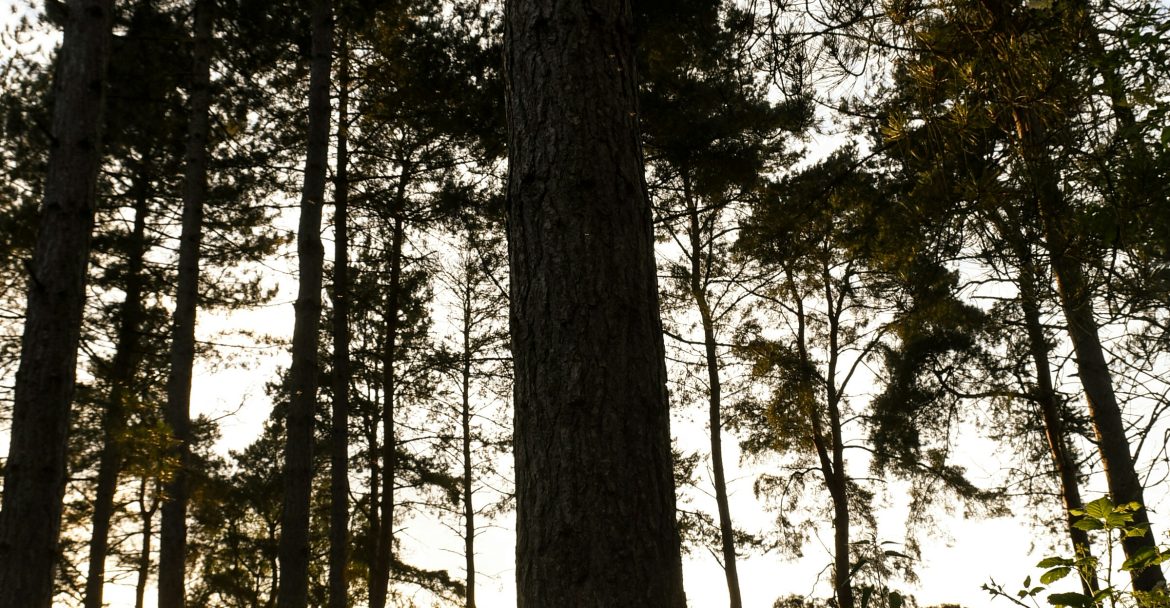
The Role and Resilience of UK Woodlands in a Changing Climate
Trees are a cornerstone of the UK’s environmental strategy, serving as a primary tool for both climate mitigation and ecological adaptation. While the UK Government aims to increase woodland cover from 13.5% to 19% by 2050 to support net-zero targets, the nation’s arboreal stock faces unprecedented pressure from shifting environmental stressors.
Strategic Benefits of UK Tree Cover
Woodlands provide essential ecosystem services that stabilize both the environment and the economy:
-
Carbon Sequestration: Trees function as long-term “carbon sinks,” capturing atmospheric and storing it within their biomass and the surrounding soil for centuries.
-
Flood Mitigation: Woodland systems significantly reduce surface run-off. This natural infrastructure is estimated to provide £6.5 billion in flood protection value to the UK.
-
Thermal Regulation: In urban environments, transpiration and canopy shade can reduce local temperatures by up to 8°C during extreme heatwaves.
-
Atmospheric Filtration: Trees capture particulate matter and pollutants.
Note: Species selection is critical; research indicates that certain trees can emit biogenic volatile organic compounds (BVOCs) which must be balanced against their filtration benefits.
Emerging Environmental Threats
The speed of climatic change is currently outpacing the natural adaptation cycles of several native species:
Future-Proofing & Management Strategies
To ensure the longevity of British forests, the Forestry Commission and the Woodland Trust have adopted a policy of “diversification” and strategic placement:
1. The “Right Tree, Right Place” Policy
Planting must be ecologically informed. For example, planting on carbon-rich peaty soils is strictly avoided, as the disturbance can release more stored carbon than the new trees would sequester.
2. Assisted Migration & Diversification
Foresters are increasingly sourcing seeds from slightly warmer, more southerly latitudes (Assisted Migration) to ensure that the saplings planted today are resilient to the projected climate of 2050 and beyond.
3. Biosecurity
Enhanced monitoring of pests and diseases is essential to protect weakened stands that have been further compromised by heat stress and erratic weather pattern