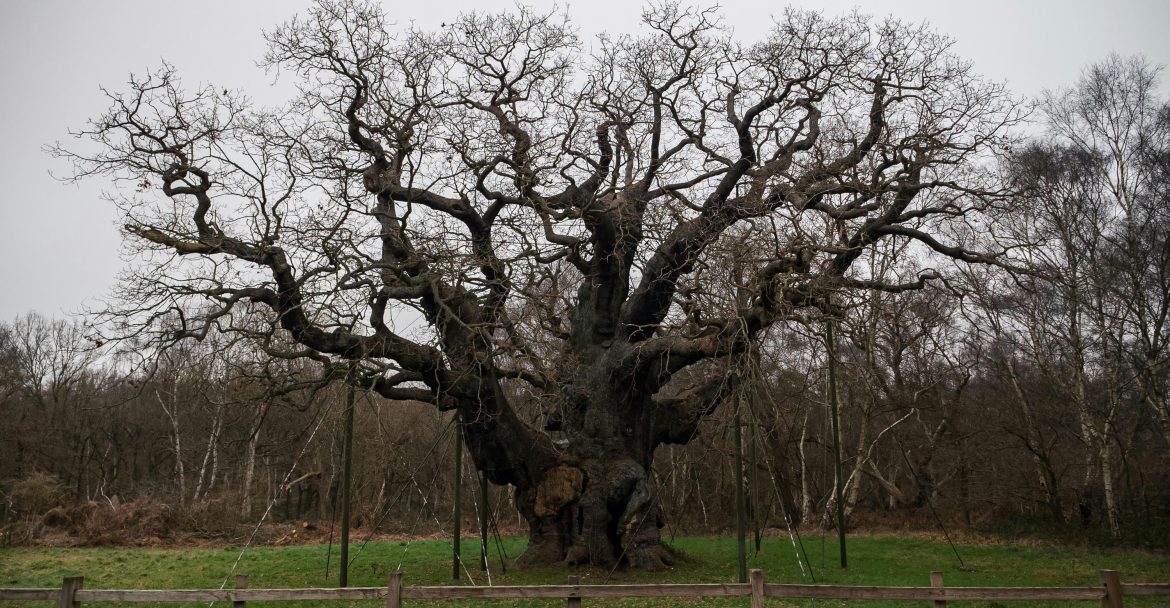
Local councils implement protective fencing around trees as a critical urban management strategy. These barriers are designed to safeguard tree health, preserve complex root systems, and ensure the long-term survival of vital community green infrastructure.
Key Objectives of Tree Protection Zones (TPZs)
-
Preservation of Root Systems & Soil Integrity
During nearby construction or utility works, councils mandate strict Tree Protection Zones. These barriers prevent heavy machinery, construction equipment, and heavy pedestrian traffic from compacting the soil. Soil compaction suffocates roots by eliminating the air pockets necessary for oxygen and water absorption.
-
Wildlife and Herbivore Shielding
Young, newly planted, or vulnerable trees require active defense against local wildlife (such as deer, rabbits, or livestock). Fencing acts as a physical deterrent, preventing animals from stripping critical bark or consuming fresh, developing shoots.
-
Erosion Control & Mitigation of Vandalism
In high-traffic urban centers and public parks, perimeter fencing prevents soil erosion caused by foot traffic and informal pathways. Additionally, these barriers deter vandalism, preventing the accumulation of refuse at the base of the tree and protecting the trunk from intentional physical damage.
Summary of Benefits
| Protective Focus | Primary Threat Mitigated | Long-Term Community Impact |
|---|---|---|
| Root & Soil Matrix | Heavy machinery compaction & utility excavation | Sustained tree vitality and structural stability |
| Trunk & Foliage | Wildlife foraging & mechanical impact | Unhindered growth cycles for young specimens |
| Surrounding Ground | Foot-traffic erosion & littering/vandalism | Cleaner public spaces & healthier urban canopy |
Management Note: Tree protection fencing is a proactive, cost-effective measure. Preserving mature trees during urban development is significantly more viable than the long-term environmental and financial costs of removal and replacement.