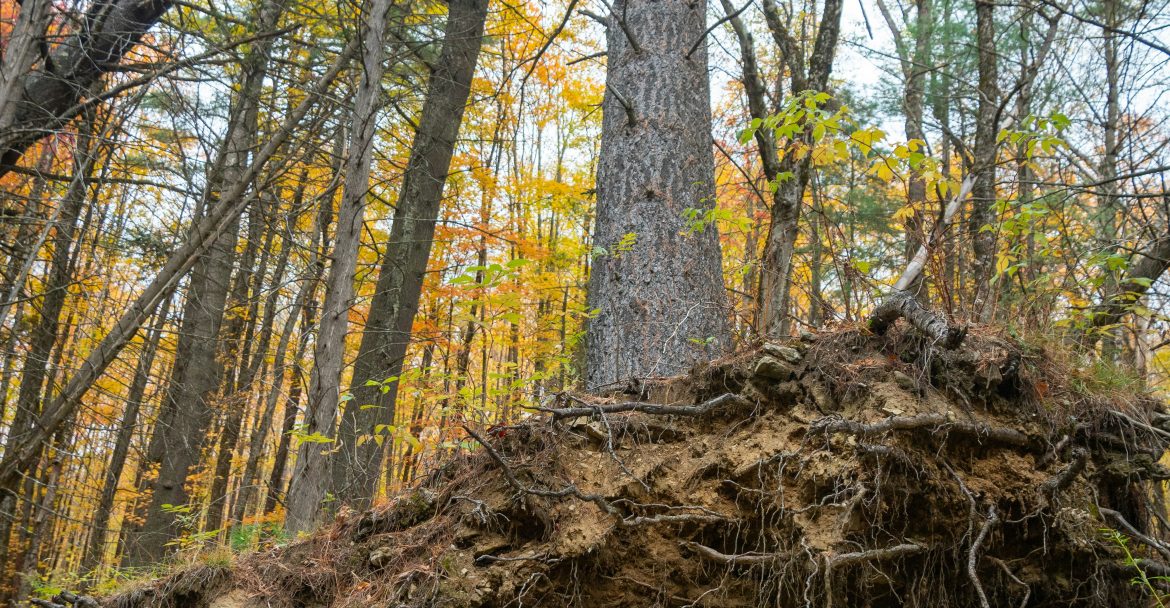
Technical Bulletin: Root Plate Movement & Structural Instability
Critical Alert: Root plate movement is a primary indicator of imminent tree failure. When a tree’s anchorage system is compromised, it poses a significant hazard to property and public safety. Immediate professional intervention is required upon detection.
Diagnostic Indicators: What to Look For
Root plate instability often manifests through subtle changes in the soil and the tree’s orientation. Monitor for the following signs, particularly following heavy storms or soil saturation.
-
Progressive Leaning: A new or worsening lean. Specifically, look for soil bulging on the tension side (opposite the lean) and a depression on the compression side (the direction of the lean).
-
Soil Disturbance: Cracking, lifting, or “heaving” of the earth around the base. This often forms mounds or suddenly exposes the root flare.
-
Basal Gaps: Visible separation or gaps between the trunk flare and the ground, suggesting the root ball is rocking or lifting.
-
Modified Soil Integrity: Ground that feels soft, spongy, or compresses easily underfoot. This often indicates underground voids or extreme waterlogging.
-
Localized Fungal Activity: Presence of fungal conks or mushrooms near the root flare, which suggests internal decay of structural anchoring roots.
Contributing Factors & Context
Understanding the “why” can help identify trees at higher risk before movement begins:
Emergency Protocol: When to Call a Professional
If you observe any of the following, restrict access to the area and contact Big Heart Tree Care or a certified arborist immediately for a Tree Risk Assessment:
-
A sudden change in the tree’s vertical axis.
-
Visible “heaving” of soil during wind events.
-
Spongy ground or confirmed underground voids near the trunk.
-
Evidence of decay (fungal conks) on major structural roots.
Safety Warning: Tree movement is a dynamic hazard. Do not attempt to brace or “tie back” a moving tree yourself; professional equipment and stability calculations are required to manage the risk safely.