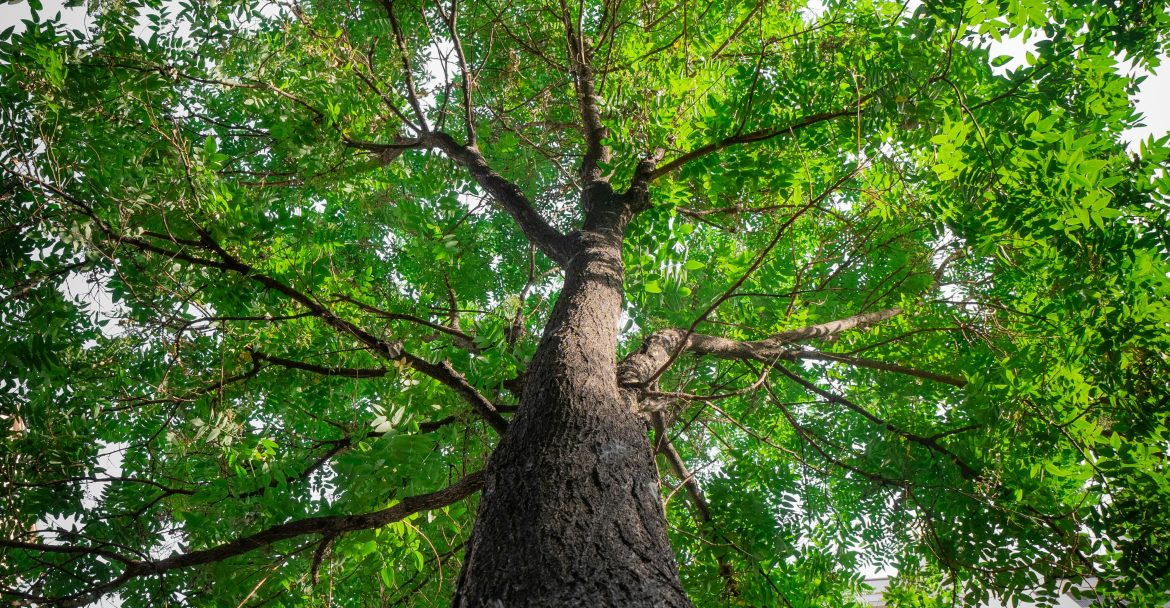
Across the globe, our urban landscapes are facing an invisible, rising tide. As concrete canyons trap the sun’s relentless energy—a phenomenon known as the urban heat island effect—cities are transforming into heat traps. With future heatwaves threatening to push temperatures into uncharted territory, scientists warn that our approach to urban forestry must evolve. To safeguard the millions who call the city home, we need to go harder, and we need to go faster.
Breathing Life Into the Stone
In the bustling streets of Cardiff, researchers from the Welsh School of Architecture and their international colleagues are tracking the pulse of the urban climate. Armed with specially adapted bicycles outfitted with sensors, scientists measured the stark contrast between sun-baked asphalt and the cool, dappled refuge of the canopy.
The data tells a compelling story: nature remains our most powerful ally against extreme heat. By pushing tree canopy coverage to an ambitious 30 to 40 percent, cities can slash local air temperatures by up to 5 degrees Celsius. This is not merely a matter of comfort; it is a matter of survival. When night falls and concrete structures continue to radiate trapped daytime heat, human bodies struggle to maintain their vital core temperature of 37 degrees Celsius. Dense tree coverage cools the night air, offering a critical window for the body to recover.
A Global Blueprint for Resilience
The race to cool our cities extends far beyond the United Kingdom. In global metropolises like Singapore, where the urban climate can soar 7 degrees Celsius higher than surrounding areas, leaders are rewriting the rules of urban design. Nearly half of the island nation is now dedicated green space, anchored by an initiative that has planted over half a million trees since 2020.
Alongside lush canopies, architects are embracing innovative design: incorporating open breezeways, curved building corners to improve airflow, and surfaces that reflect the sun’s glare. Yet, among all cooling interventions, trees remain the most cost-effective and enduring shield against a warming world.
Planting for Tomorrow
Transforming a city into a resilient sanctuary requires foresight and immediate action. Experts emphasize that integrating trees with sustainable drainage systems—capturing rainwater naturally while making space for roots—presents a massive opportunity for urban renewal. Furthermore, the changing seasons offer a natural rhythm: deciduous trees provide vital shade in the heat of summer, yet shed their leaves in winter, allowing the low-angled sun to naturally warm our buildings.
As climate models project increasingly extreme temperatures by the turn of the century, the message from the scientific community is unequivocal. The time to invest in our urban canopy is now, ensuring our cities remain vibrant, breathable habitats for generations to come.
Would you like to explore how urban forestry projects are being implemented in specific cities around the world?