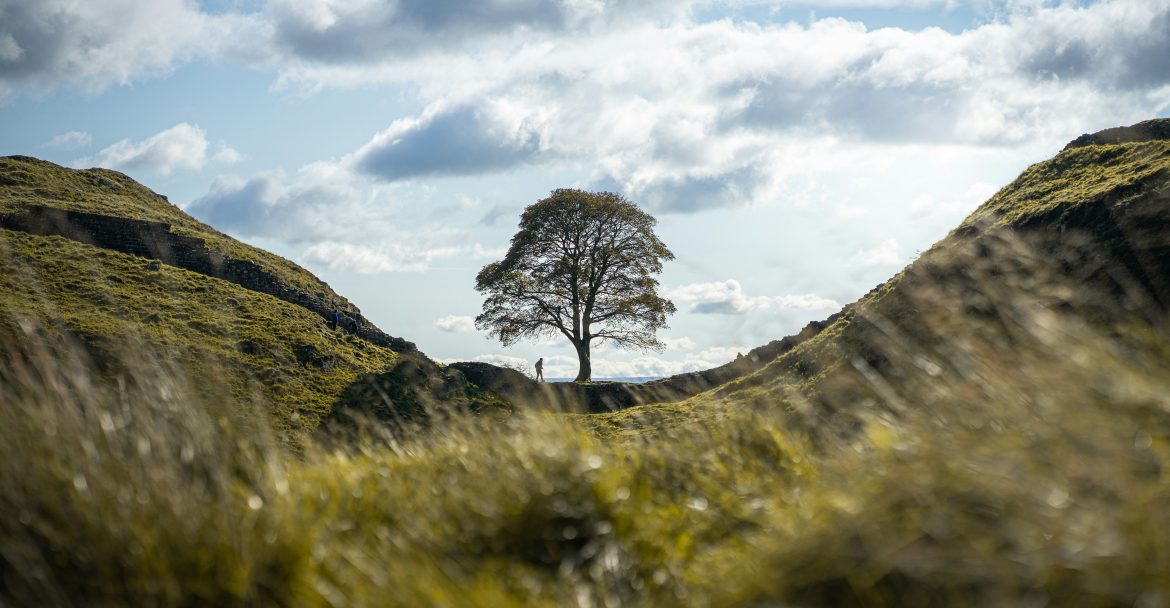
Rising like a titan from the forest floor, the sycamore can scale the height of a ten-storey building and endure for four centuries. Yet, hidden within its towering branches lies a marvel of natural engineering: millions of delicate, winged seeds that spin like tiny helicopters as they fall.
In September 2023, the world watched as one of Britain’s most celebrated landmarks—the iconic Sycamore Gap tree at Hadrian’s Wall in Northumbria—was felled in an act of sudden destruction. The loss sent shockwaves of grief and indignation across the United Kingdom.
An Unsung Immigrant
While the tragedy dominated headlines, it cast a spotlight on a fascinating botanical paradox. Much like the ancient Romans who constructed the stone barrier nearby, the sycamore is a newcomer to British shores.
-
Origins: First introduced from mainland Europe in the 1500s.
-
Status: Technically non-native to the British Isles.
-
Perception: Because of their foreign roots, sycamores have long been overlooked by conservationists and omitted from traditional planting schemes.
Guardians of a Changing Climate
Today, that perspective is undergoing a quiet revolution. As the planet warms, these resilient giants are proving their worth.
Tough, adaptable, and armed with their signature spinning seeds, sycamores may hold the key to the future of our woodlands—proving that even an outsider can become an irreplaceable part of the landscape.