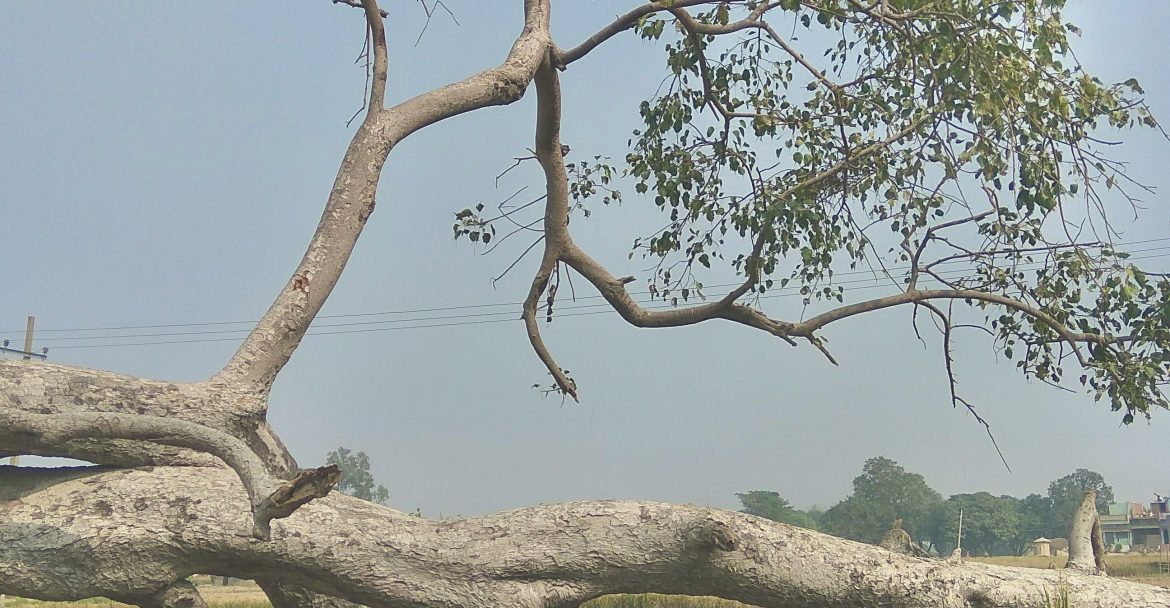
Technical Brief: Understanding Tree Branch Shedding
Trees utilize branch shedding as a biological mechanism to optimize resource allocation and maintain structural integrity. This process, while often natural, can also serve as a critical indicator of environmental stress or physiological decline.
Primary Drivers of Branch Loss
The “Summer Branch Drop” (SBD) Phenomenon
SBD is a distinct occurrence where seemingly healthy, mature trees suddenly shed large limbs during calm, dry weather. This typically follows a period of prolonged drought followed by heavy precipitation, leading to internal moisture imbalances.
Risk Assessment: What to Monitor
To maintain safety and tree health, identify these key warning signs:
-
Deadwood Accumulation: Persistent leafless branches that suggest the tree is struggling with resource distribution.
-
Structural Indicators: Sudden drooping of limbs (especially after rain) or visible fissures/cracks near the primary trunk.
-
“Widow-makers”: High-altitude broken branches lodged within the canopy. These pose a high-priority safety risk to people and property below.
Preventative Maintenance and Mitigation
Proactive care is the most effective way to reduce unpredictable branch failure:
-
Hydration Management: Ensure consistent deep watering during peak summer months to prevent wood brittleness.
-
Strategic Pruning: Employ professional arborists to remove diseased or weakly attached limbs, balancing the tree’s weight distribution.
-
Routine Inspections: Conduct seasonal checks for fungal growth, exit holes from boring insects, or signs of internal rot.