
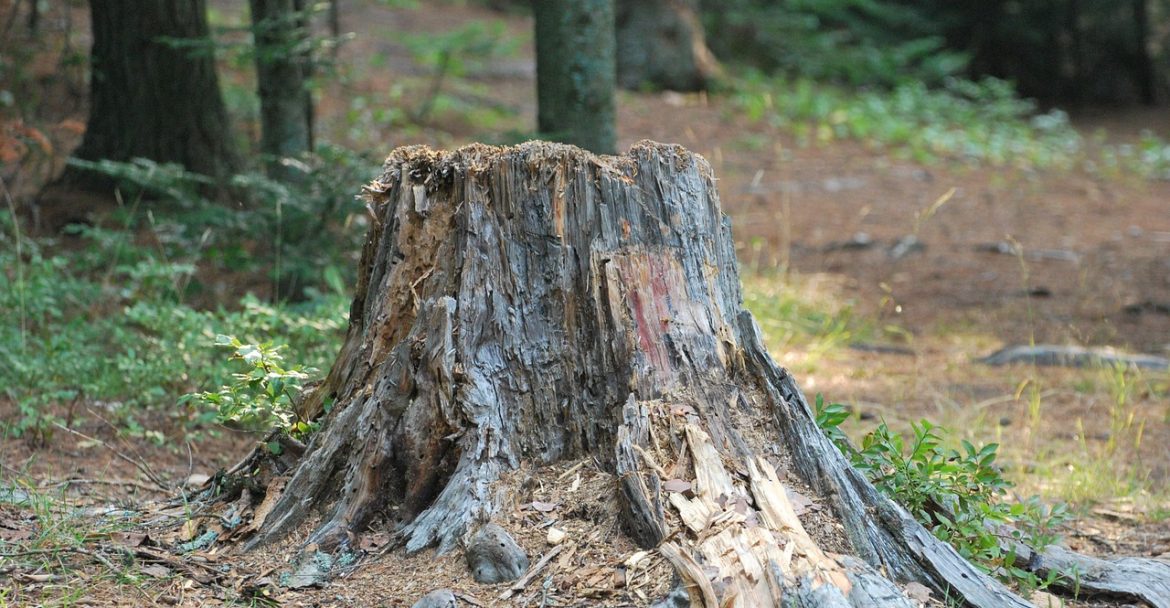
Stump Removal Comparison: Grinding vs. Poisoning

๐ŸŒณ Stump Removal Comparison: Grinding vs. Poisoning

๐ŸŸข Stump Grinding (Mechanical Removal)

Stump grinding uses a mechanical grinder to shred the stump into wood chips, typically down to several inches below ground level.

Pros Cons
Immediate results The stump is gone right away, allowing for immediate replanting or landscaping. Higher initial cost Requires specialized equipment or professional service, which can be more expensive.
Environmentally friendly No harmful chemicals are used, so there is no risk of soil or water contamination. Potential for utility damage The process carries a risk of hitting underground pipes or cables if not done by a professional.
Prevents regrowth The mechanical removal of most of the root flare significantly reduces the chance of new shoots emerging. Leaves a large chip pile The process generates a significant amount of wood chips that need disposal or use as mulch.
Removes pest habitat Eliminates the decaying wood that attracts pests like termites and ants. Does not remove all roots The deeper, widespread roots are left to decay naturally over time.
Safer for pets and wildlife No toxic substances are present in the area after grinding. Safety risks Requires protective gear (e.g., mask) as the process can release fine dust and toxins into the air.
Minimal disruption The process is targeted to the stump area, minimizing disturbance to the surrounding landscape.

๐Ÿงช Stump Poisoning (Chemical Decay)

Stump poisoning involves applying an herbicide or chemical stump remover (e.g., potassium nitrate) to the fresh cut surface of the stump to kill the remaining tree and accelerate the rotting process.

Pros Cons
Lower cost Generally less expensive than mechanical methods as it requires fewer tools and less labor. Slow results Takes weeks, months, or even years for the stump to decay enough to be removed or disappear.
Less physical effort Primarily involves application and patience, rather than heavy machinery operation. Environmental and health risks Chemicals can be toxic to surrounding plants, pets, wildlife, and can contaminate soil and groundwater.
Useful in tight spaces Can be used in areas where large grinding machinery cannot easily access. Stump remains visually The stump remains in place until it decays sufficiently, which may be unsightly or a trip hazard.
Effective on invasive species Helps ensure the entire root system dies, preventing regrowth from stubborn plants. Potential for incomplete kill Chemicals may not reach the entire root system, leading to regrowth.

๐Ÿ“Š Summary Comparison

Feature Stump Grinding Stump Poisoning
Speed Immediate results Weeks to months to years
Cost Higher Lower
Environmental Impact Eco-friendly Potential contamination
Final Result Stump removed below ground Stump decays over time
Regrowth Prevention Highly effective Good, but potential for failure