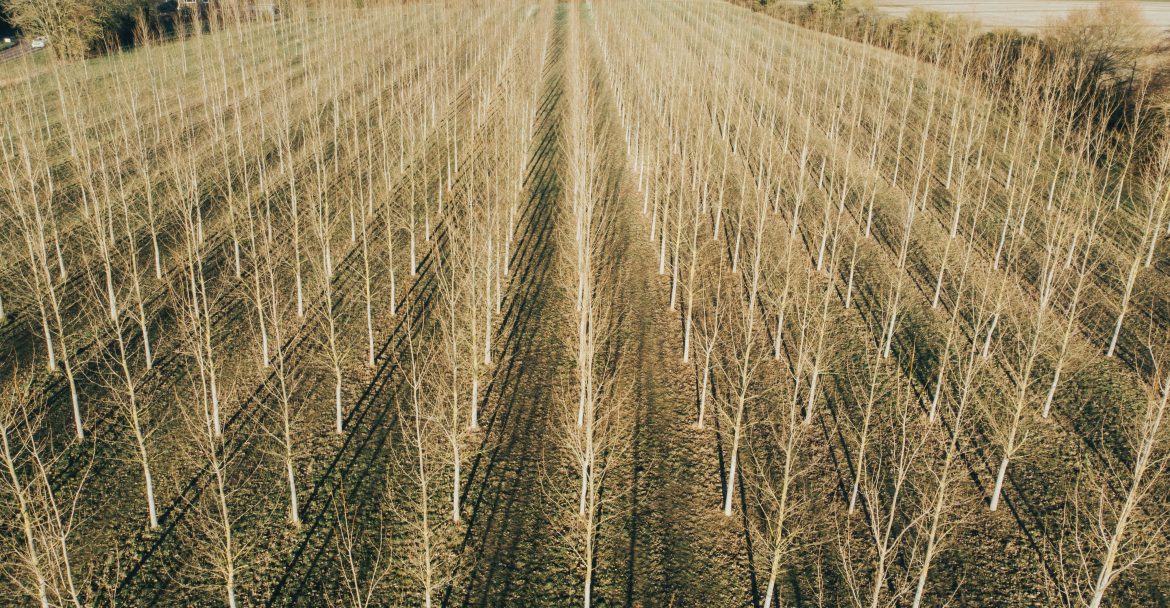
In the competitive arena of forest restoration, survival often comes down to dynamic proximity. Across reforested landscapes, land stewards and ecologists are turning to a strategy as old as nature itself: planting trees close together to shield them through their most vulnerable early years. Yet, while dense planting provides an immediate buffer against nature’s forces, leaving trees crowded indefinitely can ignite a silent struggle for survival.
1. The Collective Shield of High-Density Planting
When saplings grow shoulder-to-shoulder, they transform from isolated saplings into a cooperative living barrier, unlocking crucial survival advantages:
-
Windbreak Dynamics: Gale-force winds that easily snap solitary saplings are softened by a dense canopy. As reported by New Scientist, tight spacing allows unthinned plots to dissipate destructive kinetic energy through mild collisions between branches—essentially allowing the forest to absorb the blow together.
-
Overcoming Early Mortality: Environmental stressors such as scorching droughts, insect outbreaks, and hungry grazers inevitably take a toll. According to conservation organization Protect Earth, overstocking acts as natural insurance, compensating for anticipated losses so enough trees endure to establish a mature canopy.
-
Double Planting and Genetic Selection: Deploying paired saplings—a method championed by technology provider Groasis—dramatically elevates success rates. Beyond guaranteeing near-complete plot coverage, double planting sparks natural selection, allowing the sapling with superior genetic growth potential to outpace its sibling and claim the canopy.
2. The High-Density Trap: Managing the Crowded Canopy
The protective benefit of close spacing carries an expiration date. Without timely human intervention, a living shield can quickly turn into a battleground for vital resources.
-
The Stranglehold of Competition: When trees remain crowded into maturity, their roots and canopies locked in perpetual competition, every neighbor becomes a rival for sunlight, soil nutrients, and subterranean moisture. Starved of resources, trees grow tall and spindly, developing thin, fragile trunks prone to snapping.
-
The Art of Forest Thinning: To prevent stagnant growth, forest managers intervene between years 5 and 10. By selectively removing weaker or overcrowded stems, foresters relieve subterranean pressure, granting the strongest specimens the light and space needed to anchor deep root systems and expand full, healthy canopies.
-