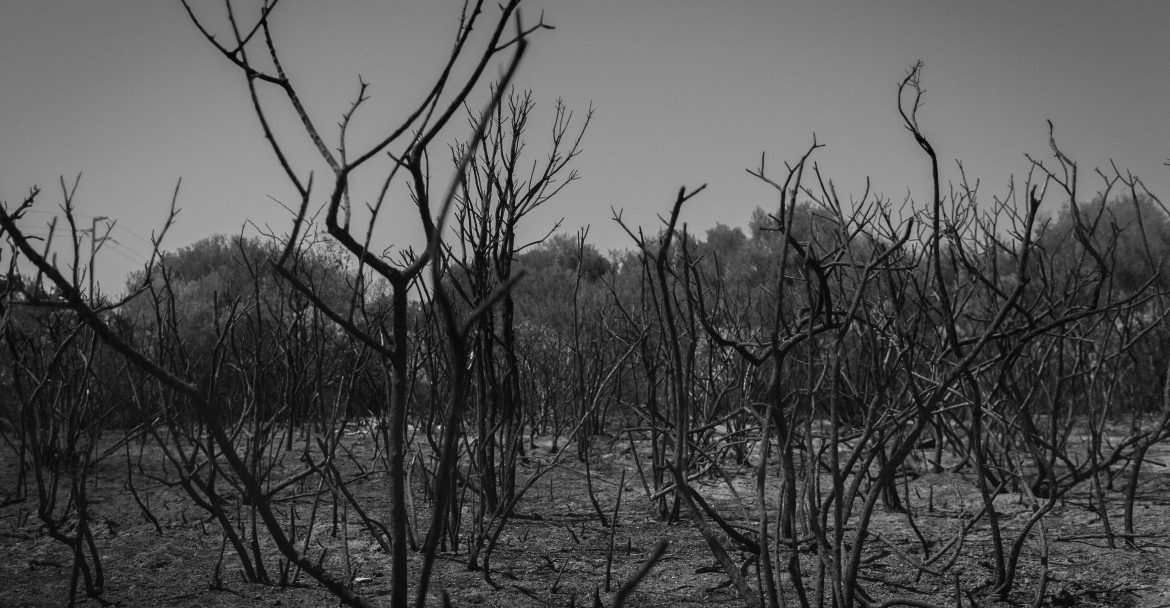
In the wake of a roaring forest fire, silence settles over a charred world. What appears to be total devastation, however, is often the opening chapter of a dramatic, multi-century rebirth. Post-wildfire forest regeneration is a complex ecological odyssey a journey where pioneer flora rush to carpet the nutrient-rich ash, fast-growing trees fight for sunlight, and decades pass before a true canopy takes shape. How fast a forest recovers hinges on a delicate balance of fire severity, local weather patterns, and the remarkable evolutionary adaptations coded into the trees themselves.
The Great Chronology: A Century of Succession
Ecological recovery unfolds in distinct, sequential chapters, shifting from immediate ground cover to the towering complexity of an ancient canopy.
-
The Awakening (Months 0–12): As smoke clears, nutrient-rich ash coats the topsoil like a natural fertilizer. Pioneer vegetation ferns, opportunistic grasses, and wild herbs sprouts almost immediately from resilient subterranean root systems or seeds blown in on the wind.
-
Understory Takeover (Years 2–5): Sunlight pours down unhindered, fueling a surge of sun-loving shrubs and berry-producing bushes. This dense brush provides vital shelter and forage for wildlife returning to the burn zone.
-
The Pioneer Canopy (Years 10–50): Fast-growing trees like birch, aspen, and specialized pine varieties surge above the understory. These sun-hungry species form dense thickets, creating an early, shelter-giving canopy.
-
Return of the Mature Forest (50+ Years): A structured, multi-layered canopy stabilizes the local microclimate, dampening temperature extremes and trapping moisture to restore pre-fire ecosystem conditions.
-
Old-Growth Majesty (100+ Years): Achieving true old-growth status complete with ancient snags, decaying logs, complex nutrient networks, and niche habitats requires centuries of undisturbed ecological succession.
Tipping the Scales: The Forces Behind Recovery
Not all fires leave the same footprint. Three critical variables dictate whether a forest rebounds within decades or struggles for generations:
-
Fire Severity: Low-intensity ground fires clear out choked underbrush while leaving soil structure intact, allowing swift regrowth. High-intensity crown fires, by contrast, vaporize native seed banks and scorch the organic layer of the soil, delaying recovery by decades.
-
Evolutionary Adaptations: Fire-adapted trees possess astonishing tools for survival. Serotinous pines, for example, keep their cones sealed in resin until the searing heat of a blaze forces them open, scattering seeds across freshly cleared ash. Other hardwoods sprout directly from buried roots within weeks. Non-adapted conifers must rely on seeds drifting in from unburned stands miles away.
-
Climatic Fortune: Gentle rains and moderate temperatures provide the moisture young saplings desperately need to anchor their roots. Conversely, prolonged droughts and rising temperatures can wither fragile seedlings, stalling regeneration in its tracks.
-