The Silver Frontier: How Olive Trees Are Taking Root in the British Isles
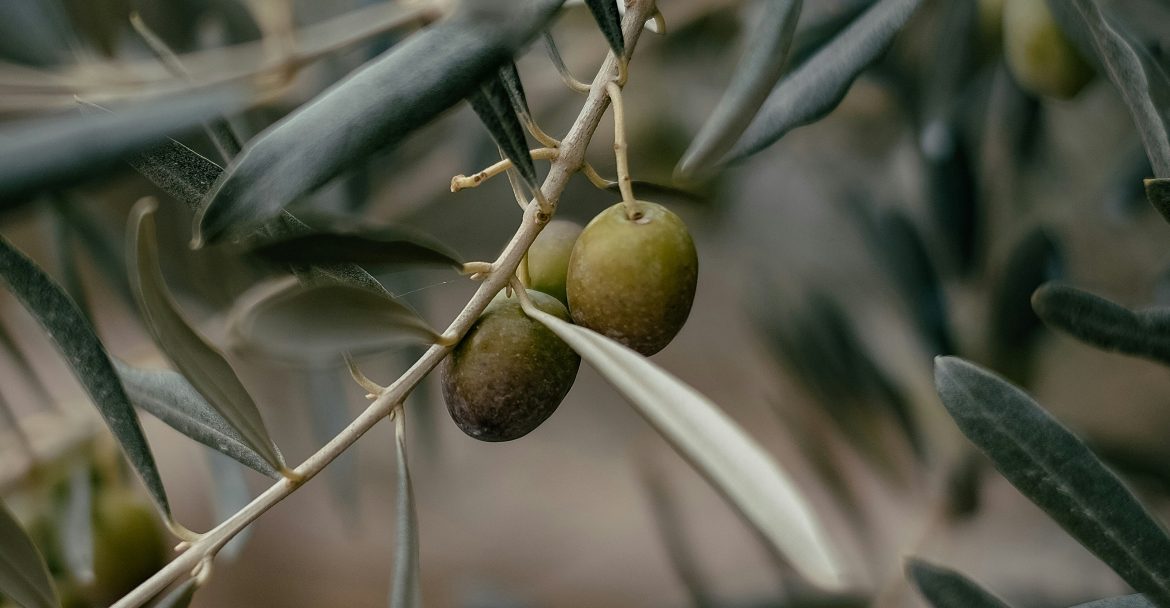
Under the grey, moisture-laden skies of late autumn, a quiet revolution is taking place across the British landscape. In backyards from Kent to Devon, and on experimental agricultural plots in Lincolnshire, silver-leafed branches sway against the horizon—heavy with firm, plump drupes.
For centuries, the ancient Roman adage held true: “The Mediterranean ends where the olive tree no longer grows.” Today, that botanical border is creeping steadily northwards. Driven by shifting climate patterns, warmer summers, and milder winters, Olea europaea—the quintessential symbol of Southern Europe—is not only surviving in the United Kingdom; it is bearing fruit.
A Botanical Anomaly in the Fens
Historically, British gardeners cultivated olive trees purely for structural drama and ornamental flair. The trees added a whisper of Tuscan romance to formal courtyards, but the fruit remained an elusive, mythical prospect. Olive trees require two specific environmental conditions to yield a crop: a period of winter chill (vernalization) to trigger flowering, followed by sustained, hot summer sunshine to develop and ripen the fruit.
For generations, Britain’s damp, cool summers left small white olive blossoms unpollinated or unable to mature before autumn frost set in.
However, recent decades have disrupted these historical baselines. Record-breaking summer heatwaves—exceeding 40°C in parts of the country—combined with milder winters have created microclimates that mimic the Mediterranean littoral.
In the lowlands of Long Sutton, Lincolnshire, ambitious growers at the English Olive Company have planted over 18,000 olive trees across reclaimed marshland. Cold-tolerant, oil-rich cultivars like Arbequina, Leccino, and Arbosana are now yielding harvests that are cold-pressed into what is arguably Britain’s first commercial extra virgin olive oil.
From Ornamental Curiosity to Harvest
Harvesting olives in the UK presents distinct ecological and agronomic hurdles:
- Ripening Window: British olives ripen late in the autumn season. The lower overall heat units compared to Southern Europe mean the fruit retains a higher concentration of polyphenols, resulting in an oil that is distinctly peppery, green, and piney.
- Soil Drainage: The gnarled root system of an olive tree cannot tolerate waterlogged, heavy clay soil. Successful British groves rely on free-draining sandy loams or raised mounds to protect the root crown from wet winter rots.
- Winter Hardiness: While mature trees survive frost down to roughly -10°C, sudden sharp freezes can damage young shoots and kill fruit buds.
A Bittersweet Transformation
While the sight of olive-laden branches in an English garden offers a fascinating glimpse into botanical adaptability, scientists view it as a double-edged barometer of a changing planet. As extreme heat, prolonged drought, and invasive pests threaten historic groves in Spain, Italy, and Greece, Northern Europe is becoming a potential haven for resilient crops.
For now, the British olive remains a rarity—a testament to human agricultural curiosity and nature’s capacity to adjust. Whether this signals a permanent shift in the UK’s agrarian identity or a brief ecological chapter, one reality is clear: the silvery leaves of the Mediterranean are writing a new story in British soil.