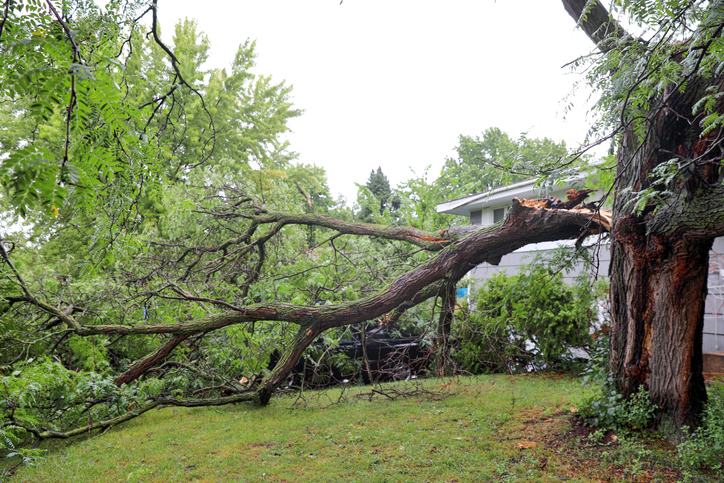
Summer Branch Drop (Sudden Limb Failure)
An Overview of Causes, Structural Mechanics, and Action Protocols
A sudden, unexpected limb failure on an otherwise healthy-looking tree during the summer months is a recognized phenomenon known as Summer Branch Drop (SBD) or Sudden Limb Failure. This typically occurs in mature trees during hot, calm afternoons or immediately following a heavy summer downpour that breaks a prolonged dry spell.
Primary Contributing Factors
While a single definitive cause has not been universally established, arborists and tree care professionals attribute SBD to a combination of internal and external stressors:
Weather & Internal Stress: Prolonged heat and drought induce severe moisture stress within the tree. This can cause internal micro-fractures and cracks within the timber that are invisible from the outside. A sudden, heavy summer shower rapidly adds excessive surface water weight to these already compromised branches.
Excessive Weight & Foliage Load: During the summer, branches carry their maximum weight due to full foliage, dense canopy growth, or developing fruit crops. When combined with the high internal pressure of evapotranspiration (the movement of water through the tree), the physical load can exceed the limb’s structural capacity.
Concealed Internal Cracks: Unlike typical storm damage or failures caused by visible decay and rot, SBD is distinct because the failed branches often appear completely healthy, vibrant, and green on the exterior right up until the moment of failure.
Immediate Post-Failure Protocol
When a sudden limb drop occurs, property owners and managers should follow a structured assessment process to ensure safety and preserve the remaining tree structure:
Assess for Safety (Priority One) Immediately secure the area. If the fallen limb is blocking public pathways, driveways, or resting on a structure, it must be cleared systematically.
Critical Safety Warning: Never approach, touch, or attempt to clear downed limbs if they are in contact with, or in close proximity to, utility power lines. Contact emergency services or your local utility provider immediately.
Inspect the Failure Point Examine the wound on the trunk or main stem where the branch fractured. Inspect the exposed wood for hidden signs of internal decay, hollows, fungal brackets (mushrooms growing on the bark), or deep vertical cracks. This inspection helps determine if the failure was an isolated SBD event or a symptom of a broader structural issue.
Consult a Certified Professional If the tree has a known history of shedding limbs, if the remaining canopy appears severely unbalanced, or if internal decay is present, do not attempt DIY mitigation.